
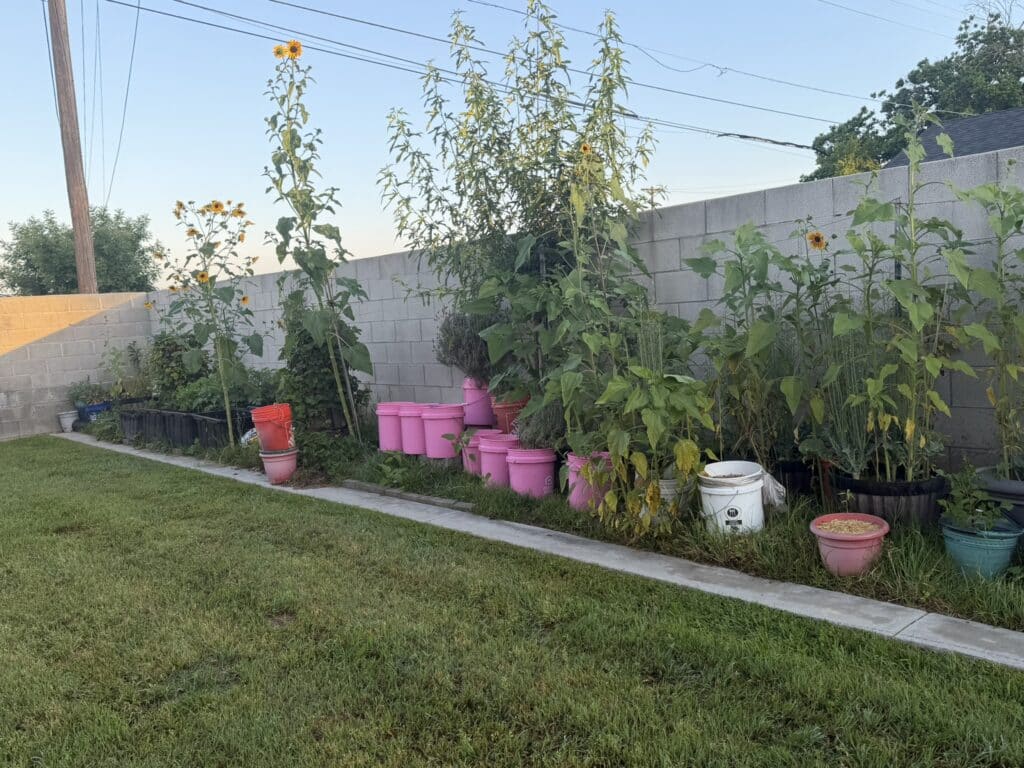
A mid summer garden reset means deadheading spent blooms, trimming fast growing climbers, watering deeply in the early morning, staking leggy plants, refreshing tired containers with a new plant or two, sowing a few more annuals for late summer color, and keeping foot traffic moving off any patch of lawn. These small jobs bring a garden back to life without a full overhaul.
Sweet one, if your garden is looking a little worn around the edges right about now, please hear me when I say this is not a reflection of how well you have been tending it. July does this to every garden, even the ones that looked picture perfect back in May. The heat and the long days ask a lot of our plants, and by midsummer most of them are ready for a little help getting their second wind. I do this same reset in my own backyard every year, and it never fails to bring things back to life. Here is what I focus on.
Deadhead What Has Finished Blooming
Walk your garden with a pair of snips in hand and look for anything that has gone brown or spent. This applies beautifully to roses, dahlias, and carnations, all of which will often give you a second flush of blooms if you take the time to remove the tired ones. Make your cut just above the next set of leaves rather than pulling the whole stem. I do leave a few spent blooms here and there late in the season for the birds, but through the heart of summer, staying on top of deadheading keeps the whole bed looking cared for and encourages the plant to keep putting its energy into flowers instead of seed.
Give Your Climbers a Trim
If you are growing anything that climbs, and bougainvillea is the one that comes to mind first in my own garden, midsummer is when it can get a little wild if left alone. A trim now keeps it from wrapping around things it should not and encourages the kind of full, tidy growth that makes an arbor or fence line look intentional rather than overgrown.
Water Deep, Water Early
I say this every summer because it matters every summer. Watering for longer stretches less often trains roots to grow down deep, which is exactly what gets a plant through our zone 9b heat. Early morning is best, before the day heats up and steals the moisture through evaporation. If you are growing in containers or a Greenstalk tower the way I do, expect to check them daily this time of year, since they dry out so much faster than a bed in the ground.
Stake Anything Getting Leggy
A summer growth spurt can leave tall plants a little top heavy, especially after a stretch of good watering. Dahlias and anything else reaching skyward benefit from a stake or a hoop before a gust of wind or their own heavy blooms bring them down. I reach for simple metal supports rather than bamboo canes, since they hold up better and tend to disappear into the foliage once the plant fills in around them.
Refresh Your Containers
If a pot is looking a little tired, you do not need to start over. Tucking in one fresh, eye catching plant can bring the whole arrangement back to life and draw the eye away from anything that has faded. I love adding something with good texture, like a fern or a trailing plant that spills over the edge, to give an established container new energy without replanting the whole thing.
Sow a Few More Annuals
It is not too late to tuck in a few more seeds or six packs for a late summer show. Calendula and zinnias are both wonderful choices to sow now, since they grow quickly and will reward you with color well into fall. Keep deadheading these as they bloom too, since a well picked annual bed will keep flowering far longer than one left to go to seed.
Keep Foot Traffic and Toys Moving
If you have any grass at all, and I know many of us here in Fresno keep it minimal given our summers, try not to let a kiddie pool, a toy, or even a garden chair sit in the same spot too long. The grass underneath needs its light and a break from the weight, or you will end up with a bald patch that takes far longer to recover than the reset itself.
A midsummer reset is not about starting over. It is about noticing where your garden needs a little attention and giving it exactly that, nothing more. Small, steady care right now is what keeps a garden going strong all the way through fall, and there is something deeply satisfying about walking outside afterward and seeing it looking like itself again.
Your Mid Summer Garden Reset Questions, Answered
What is a mid summer garden reset? It is a set of small maintenance jobs, like deadheading, pruning, staking, and refreshing containers, done partway through summer to bring a garden back to its best after the heat has taken a toll.
Why do my flowers look worn out by July? Heat and long bloom cycles wear plants down by midsummer, so deadheading spent flowers and watering deeply helps redirect the plant’s energy back into new blooms rather than seed production.
Is it too late to plant annuals in July? No. Fast growing annuals like calendula and zinnias can still be sown in early July and will bloom well into late summer and fall.
How often should I water container plants in summer? Most containers need daily watering during the height of summer heat, watered until it drains from the bottom of the pot, ideally in the early morning.
Should I stake my plants in summer if I missed doing it in spring? Yes. It is better to stake late than not at all, especially once a plant has become tall and top heavy from a summer growth spurt.
From my backyard to yours, Aunt C 🩷