
Quick Answer: In July, feed roses, dahlias, tomatoes, container plants, citrus, and avocado on a light, steady schedule to support blooming and fruiting. Skip or reduce feeding for lavender, calendula, and most herbs, which prefer lean soil. Fertilize asparagus crowns after harvest to build strength for next spring.
Sweet one, if you have walked out to your garden lately and noticed some of your plants standing tall and proud while others look a little tired and unbothered by your compliments, you are not imagining it. July has a way of showing us exactly what a plant is made of. Some of them rise to the heat like they were born for it. Others just sort of sit there, waiting on us to notice they need a little more from us than water alone.
This is the season I think of as maintenance rather than indulgence. We are not trying to force a burst of new growth just to watch it wilt in the afternoon sun. We are simply supporting the plants that are already working hard for us, the ones flowering, fruiting, or recovering from their big spring push. A little feeding now is less about pushing them further and more about reminding them we are still paying attention.
Here is where I would put my energy this week if I were walking your garden with you.
Roses, Dahlias, and Carnations
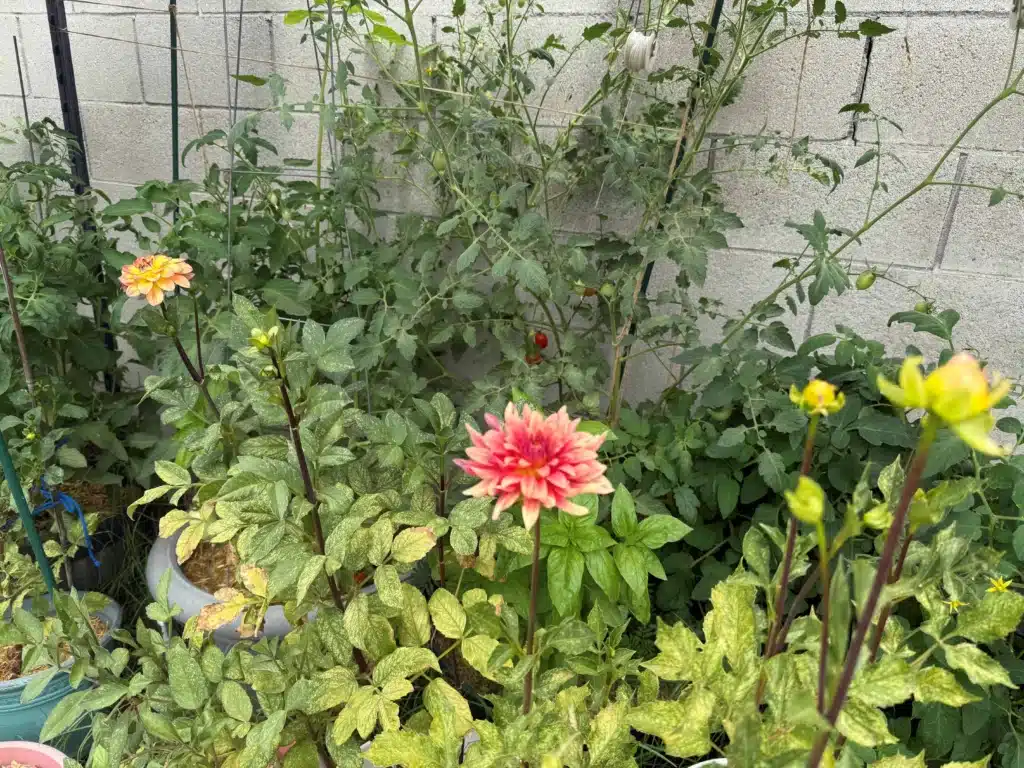
These are the performers in any cutting garden, and they know it. By midsummer they have given so much of themselves that a balanced feed is simply the kind thing to do. I reach for something gentle and slow acting rather than a quick jolt, because what we want is steady color through the rest of summer, not a burst that fades fast. Keep deadheading alongside the feeding and you will be amazed how much longer they keep showing up for you.
Container Plantings
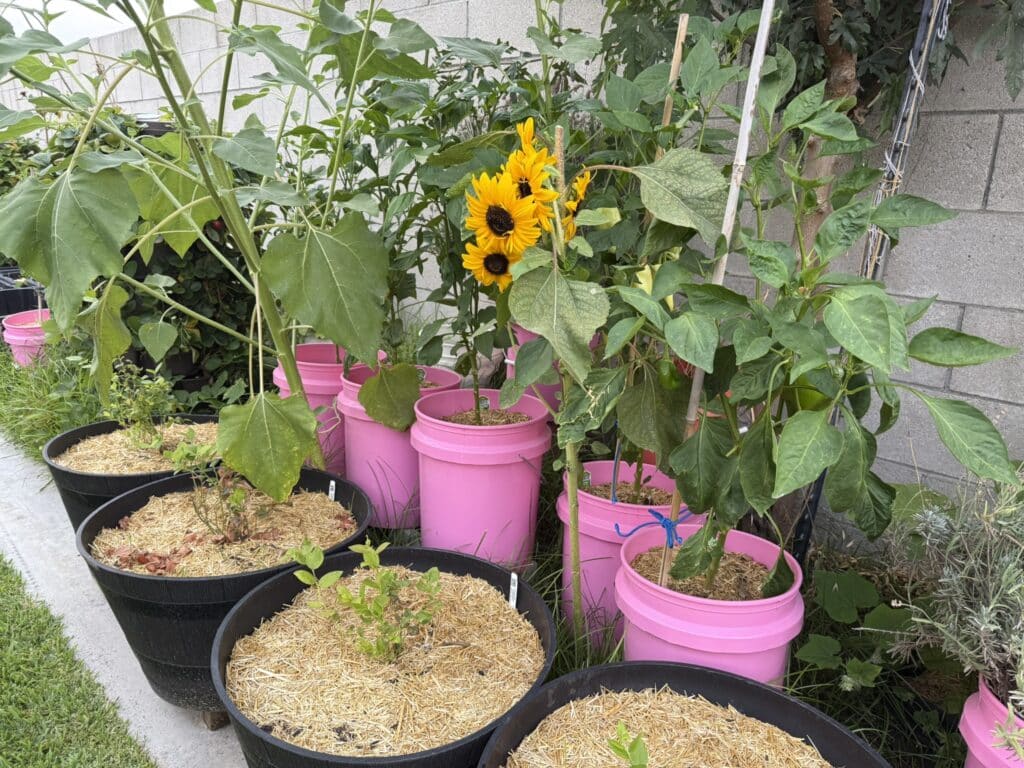
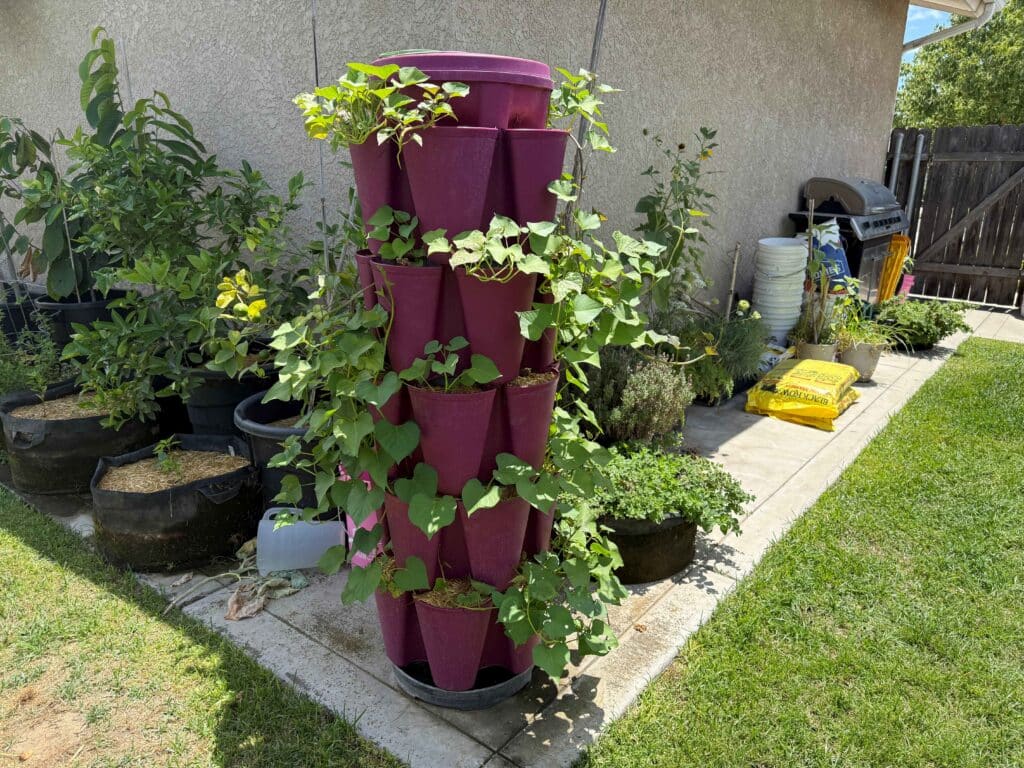
If you are growing in Greenstalk towers, raised beds, or pots on the patio the way I do here in Fresno, this is the group that needs the most looking after right now. Containers dry out fast in our zone 9b heat, and nutrients wash right through with every watering. A light liquid feed every week or so through the growing season keeps things blooming instead of just hanging on. I think of my strawberries and my herb pots the same way I think of my chickens. They will let you know when something is missing, just not always politely.
Tomatoes
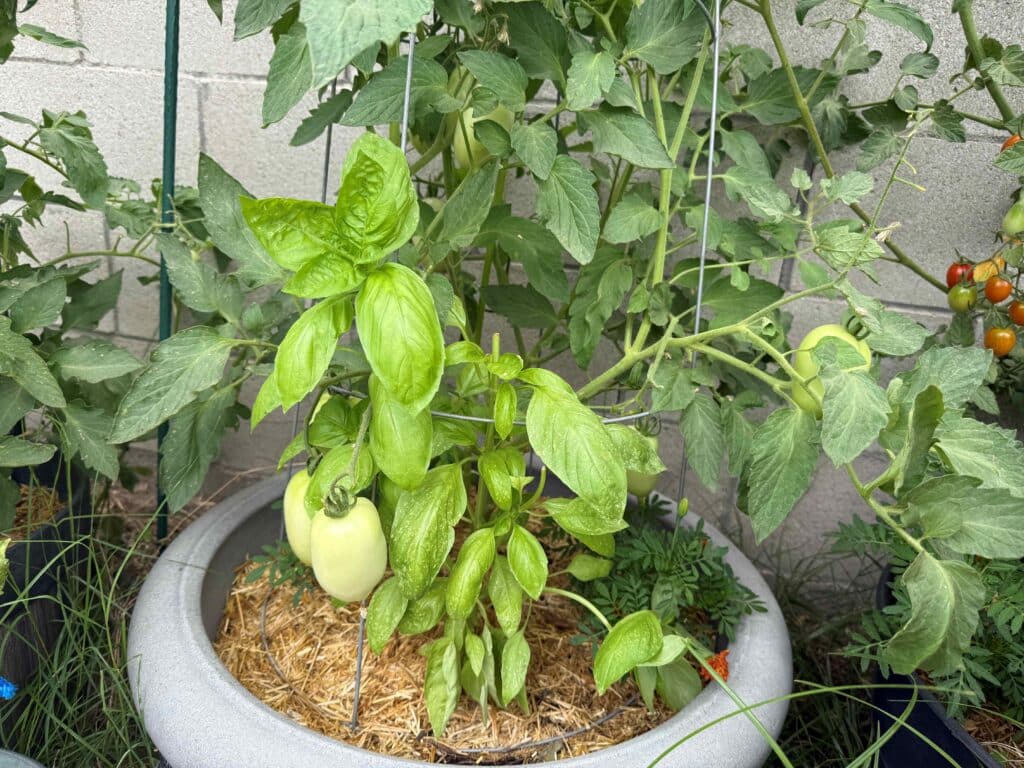
Once your tomatoes are setting fruit, this is not the moment to back off. A feed that supports fruiting rather than leafy growth will help you avoid all vine and no harvest. I like to keep mine on a steady rhythm through the hottest part of the season, because a hungry tomato plant will still look green and lovely while quietly giving you less fruit than it could.
Citrus, Meyer Lemon and Avocado
Anyone growing citrus or avocado in containers knows these trees are asking for a bit more than they let on. They are living a life meant for kinder climates, and July asks a lot of them. A feed made for citrus and avocado keeps the leaves glossy and supports the fruit that is already forming. Little and often serves them far better than one heavy feeding you forget about until fall.
Bougainvillea
Bougainvillea rewards a light touch. Too much feeding and you get beautiful leaves and hardly any of that gorgeous color we grow it for in the first place. A feed lower in nitrogen encourages the blooms rather than the foliage, which is really the whole reason we plant it along a fence or over an arbor to begin with.
Lavender, Calendula, and the Herb Garden
Most herbs and Mediterranean natives like lavender actually prefer to be left a little hungry. Overfeeding softens their growth and dulls their fragrance. If you feed this group at all, keep it light and infrequent. What they want most is good drainage and full sun, not a rich diet.
Asparagus
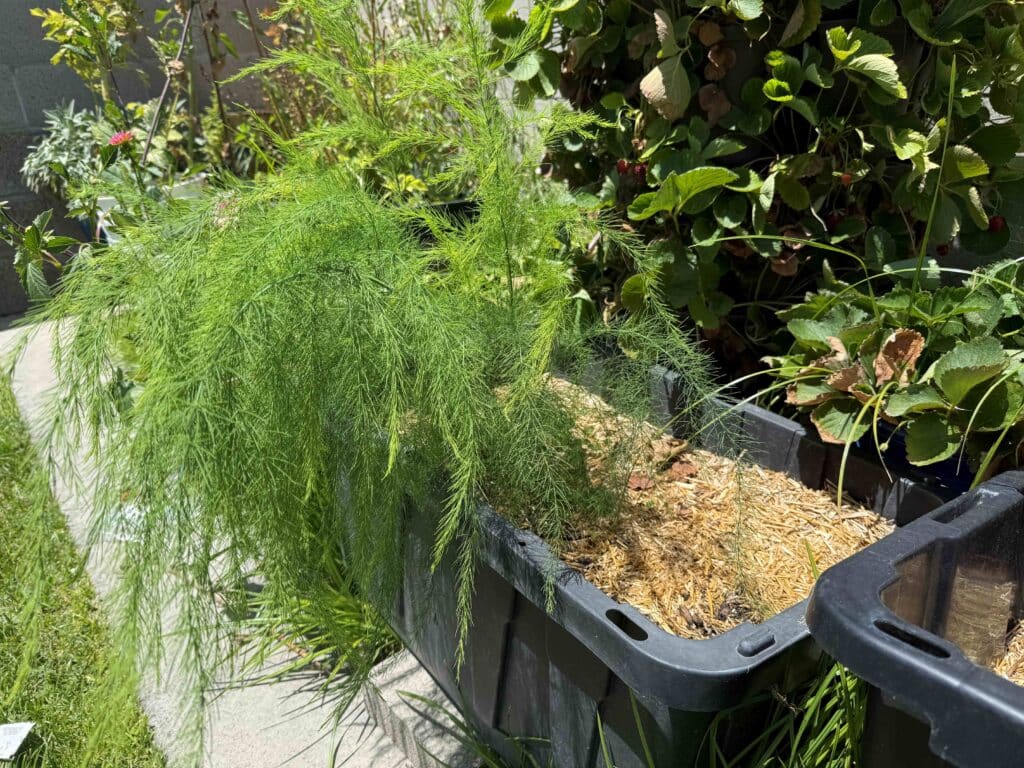
Once your asparagus bed has finished its harvest for the season, this is the time to feed the crowns so they can build strength for next spring. Think of it as investing in a friendship that pays you back every year for a decade or more, which asparagus is known to do when it is cared for well.
I have always believed midsummer gardening is more of a conversation than a set of instructions. The plants tell us what they need, sometimes with a quiet drooping leaf and sometimes with a much louder show of stubbornness. Feeding at this time of year is really just us listening a little more closely.
Handled with care, a little July feeding keeps everything moving forward. The blooms keep coming, the leaves stay full of color, and the containers hang on through the heat instead of giving up early. In a season that always seems to move faster than we plan for, that steady continuity is worth so much, which is really the whole point of knowing what to fertilize in July in the first place.
Your July Fertilizing Questions, Answered
What should I fertilize in July? Focus on roses, dahlias, carnations, tomatoes, container plantings, citrus, and avocado, since these are actively blooming or fruiting and benefit from steady feeding through the heat.
What should I avoid fertilizing in July? Lavender, calendula, and most herbs prefer lean soil, so skip feeding them or keep it very light. Overfeeding this group dulls their fragrance and softens their growth.
How often should I fertilize container plants in summer? Roughly once a week with a light liquid feed, since containers dry out fast in summer heat and nutrients wash out with every watering.
Should I fertilize tomatoes while they are fruiting? Yes. Once tomatoes set fruit, a steady feed formulated for fruiting rather than leafy growth helps keep the harvest coming through the hottest part of the season.
When should I fertilize asparagus? After the harvest season ends, feed the crowns so they can rebuild strength for a strong return next spring.
From my backyard to yours~
AuntC♥