
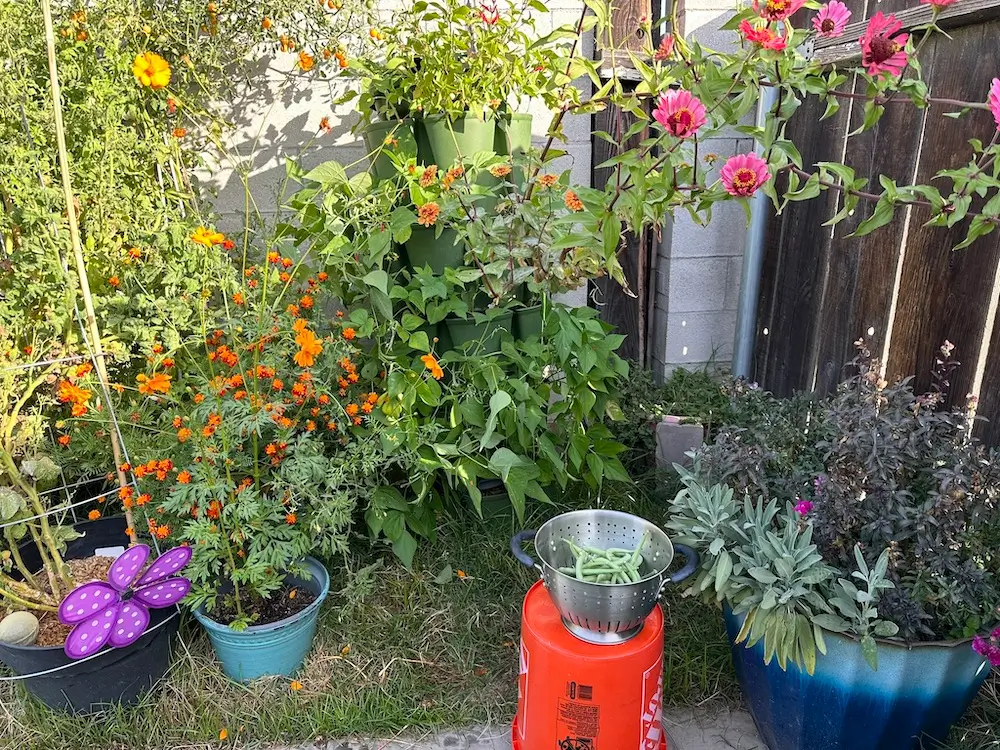
Urban homesteading helps you live more sustainably without moving to the countryside.
You can grow food, make useful products, and pick up practical skills even if your home is small.
A bright windowsill, a balcony, or a corner of your kitchen can support more self sufficiency than most people expect. Once you start growing herbs or making your own cleaners, you reduce your reliance on shops and build confidence in what you can produce yourself.
These seven methods give you clear steps, practical expectations, and realistic guidance to begin homesteading where you already live.
1 Grow herbs and leafy greens with an AeroGarden indoor hydroponic system
An AeroGarden lets you grow herbs and greens inside your home without soil. The unit holds water, nutrients, growth pods, and its own light source.
You insert the pods, fill the reservoir, add the nutrients, and turn the system on. The built in lights create the right conditions for growth even if your home receives little natural sunlight. Herbs such as basil, parsley, coriander, chives, and greens like lettuce or spinach grow well in these systems.
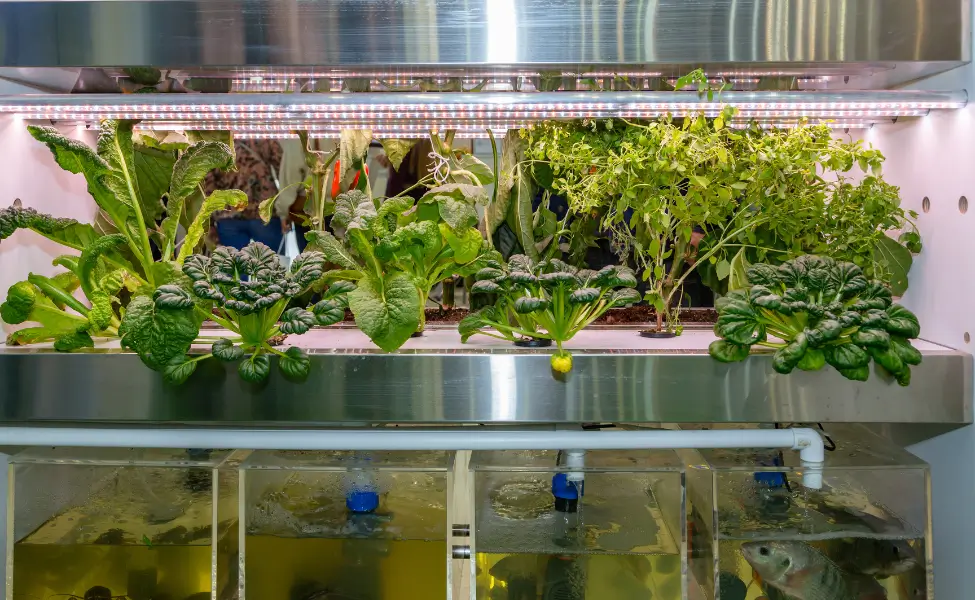
Most models sprout within one to two weeks and keep producing for several months if you trim the plants regularly. The unit reminds you when to add water and nutrients which makes it suitable for beginners. Place it on a counter, shelf, or table with access to a plug socket.
One system can supply enough herbs for daily cooking and reduces the need for regular supermarket trips.
2 Preserve food by learning how to can with a Ball Mason Jar kit
Canning helps you store food safely and build a pantry that supports cooking from scratch. A Ball Mason Jar kit contains jars, rings, and tools designed to create a secure seal after heating. These jars have been produced since the nineteenth century and remain one of the safest ways to preserve food at home. The basic method is simple.
You fill the jars with prepared food, remove trapped air, and heat them so the lids seal as they cool. High acid foods such as fruit, tomatoes, and pickles can be processed in boiling water. Low acid foods such as vegetables or meat require pressure canning for safety.
Beginners often start with jams or pickled onions because the steps are predictable and the ingredients are easy to find. When stored in a cool cupboard, most properly sealed jars keep their best quality for about one year. Canning cuts waste, saves money during seasonal gluts, and provides convenient meals when you are busy.
3 Start a balcony bee friendly flower garden to support local pollinators
Pollinators struggle in cities because they lack places to rest and feed. A small balcony garden can make a noticeable difference.
Choose flowering plants with simple shapes so bees can reach the nectar easily. Sunflowers, lavender, thyme, mint, marigolds, basil, and locally native wildflowers all work well. Pick plants that bloom across the seasons so bees and butterflies can feed from spring to autumn. Containers at least six inches deep give most plants enough root space.
Group the same type of flowers together because clusters are easier for bees to spot. Add a shallow dish of water with stones so insects have a safe place to land. Keep the area free of pesticides because chemicals harm the insects you are trying to support.
Even a modest balcony can become an important refuge for pollinators searching for food within the city.
4 Make your own natural cleaning products using vinegar and essential oils
Homemade cleaners are inexpensive and reduce the number of strong chemicals in your home. A simple recipe uses equal parts white vinegar and water in a spray bottle. Vinegar cuts through grease and lifts everyday grime on many surfaces.
Add ten to fifteen drops of essential oils for a fresher scent. Lemon oil works well in kitchens and tea tree oil has natural antibacterial properties. This cleaner works on glass, tiles, taps, and most worktops.
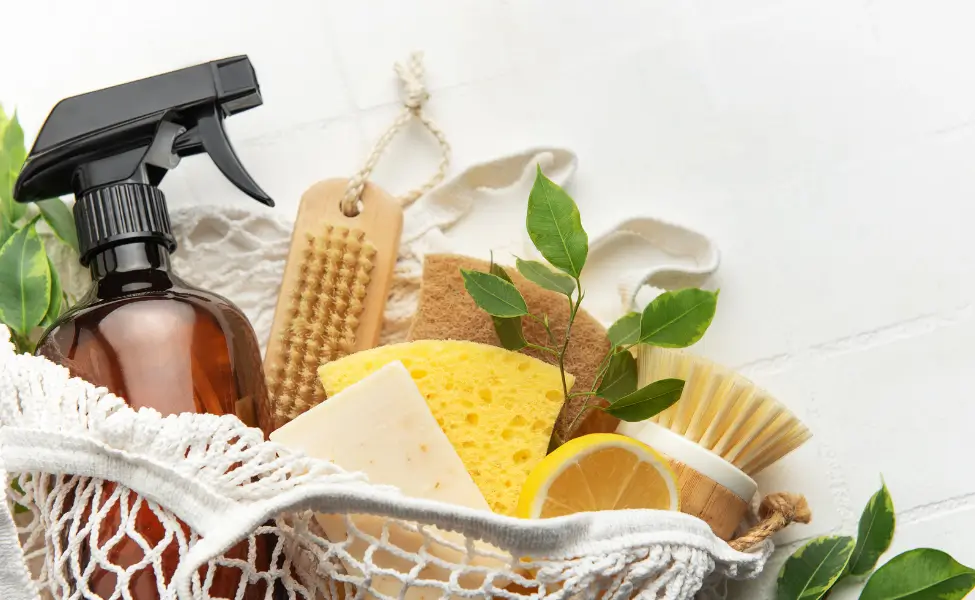
Avoid using it on natural stone because vinegar can damage those surfaces. Essential oils last a long time since each bottle contains many uses. Label your bottle clearly and store it in a cool cupboard away from direct sunlight.
Once you get used to the basics you can experiment with different scents and blends. This method cuts plastic waste and reduces the need for shop bought products.
5 Join a community seed swap to diversify your indoor garden plants
Seed swaps help you expand your indoor garden at little cost.
Gardeners meet in person or online to exchange seeds, growing tips, and successful varieties. Many community centres, libraries, and local groups host regular swaps. You can trade seeds from tomatoes, peppers, herbs, or houseplants.
These are easy to collect from your own plants once you know how to dry and store them properly. Joining a seed swap gives you access to varieties that are suited to your local climate or indoor conditions.
Other gardeners can also advise you on container choices, soil mixes, or lighting setups.
Online seed swap groups are useful for beginners because members share photos, instructions, and troubleshooting tips. This is a simple way to meet gardeners near you and build confidence as you increase the range of plants you grow.
6 Practise composting with a vermiculture worm bin under your kitchen sink
A worm bin is a compact way to turn kitchen scraps into compost. It fits under most sinks and stays odor free when managed well.
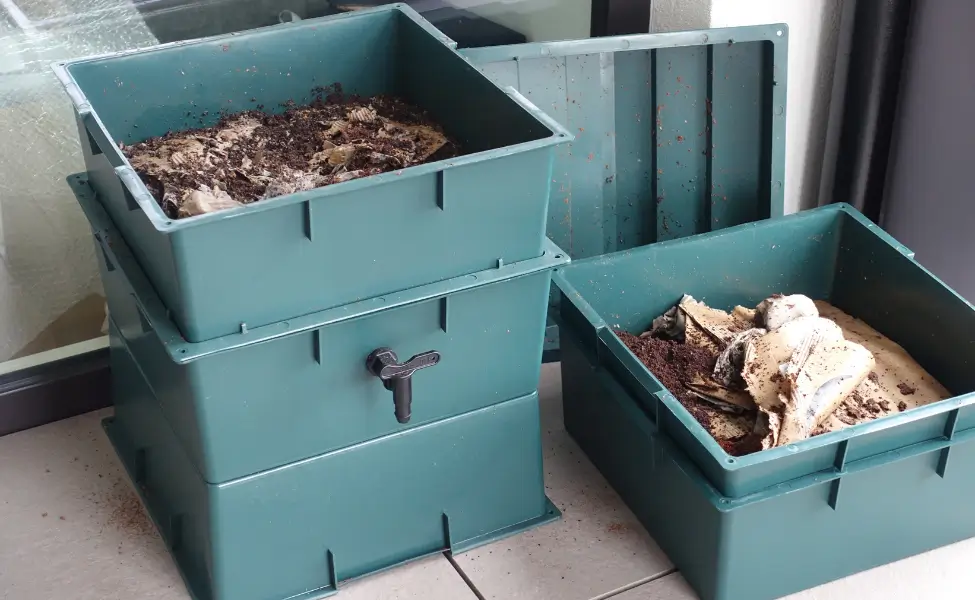
Redworms thrive in small spaces and eat fruit peels, vegetable trimmings, coffee grounds, tea bags, and shredded paper. Avoid adding meat, dairy, citrus peel in large amounts, or oily foods. These cause smells and attract pests.
Keep the bedding moist but not wet and make sure the container has small ventilation holes so the worms can breathe. If you notice fruit flies, bury the scraps more deeply or add more shredded paper to balance moisture.
After a few months, you will have dark compost that improves soil quality for indoor pots or balcony containers.
Vermiculture reduces household waste and supports healthier plant growth without needing outdoor space.
7 Learn solar cooking using a portable Solar Cookers International model
Solar cooking uses trapped sunlight to heat and cook food without gas or electricity.
A portable model such as those produced by Solar Cookers International suits balconies, courtyards, and shared outdoor spaces. Panel or box style designs are easiest for beginners because they are simple to set up and stable on flat surfaces.
Place the cooker where it receives the most sunlight during the day. Dark pots absorb heat more effectively and cook food more evenly.
Solar cooking works best in the middle of the day when sunlight is strongest. Most meals take two to four hours depending on the season, the strength of the sun, and the size of the cooker.
Rice, vegetables, stews, and slow cooked dishes perform well at the lower temperatures typical of solar cooking. This method lowers energy use and helps you understand how to cook using natural heat.
Understanding Urban Homesteading
Urban homesteading brings practical, low impact habits into city life. It focuses on using the space you already have to grow food, make household products, and reduce reliance on shops.
You do not need a large garden to get started. A windowsill can support herbs, a balcony can support vegetables, and a kitchen can support preserving and fermenting projects. Every small action adds a layer of self sufficiency.
What Is Urban Homesteading
Urban homesteading covers a wide range of activities that help you create more of what you use.
These include growing vegetables in pots, composting food scraps, making bread or soap, fermenting foods, preserving seasonal produce, and collecting rainwater for plants.
Some cities even allow a small number of chickens.
The main goal is to produce more at home and rely less on shops. You gain skills that save money and help you understand how your food and household products are made.
Benefits of Homesteading in the City
Urban homesteading helps you control your costs because fresh herbs, greens, and vegetables are far cheaper to grow than to buy. You enjoy fresher food because you harvest it at its best.
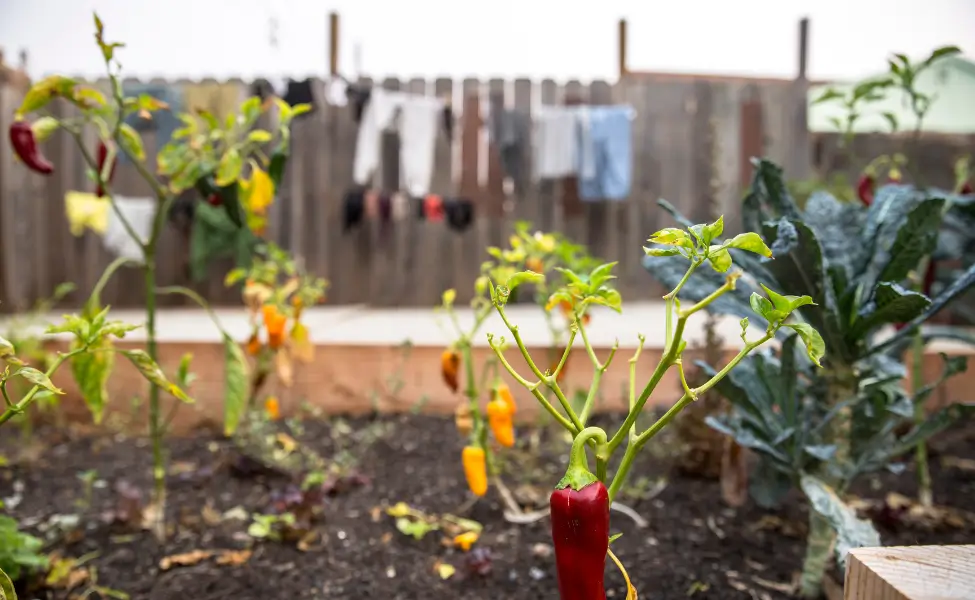
The skills you develop give you more independence and help during busy periods or emergencies.
The environmental impact is positive because you create less packaging waste and make better use of your food scraps. Many people find that their community connections grow as they share seeds, extra produce, and practical advice.
Common Challenges and Creative Solutions
City homesteading presents challenges such as limited space and limited access to supplies. These problems have practical solutions that suit most living situations.
Overcoming Space Limitations
Vertical growing systems are useful in small homes. Wall mounted pots, shelves, and hanging baskets create new planting space. South facing windowsills can support herbs and greens.
Containers allow you to move plants to follow the sun or protect them from cold weather. Indoor growing systems with LED lights help when sunlight is limited. Even a single LED panel can keep herbs productive throughout the year.
Sourcing Supplies and Materials Locally
Most cities have hardware shops that sell containers, soil, and basic tools. Garden centres stock seeds, organic fertilisers, and young plants.
Cafes often give away coffee grounds which are helpful for compost. Local groups and online communities run swaps for seeds, jars, equipment, or surplus produce. With a little effort, you can gather everything you need without travelling far.