
Small space composting is completely possible.
You do not need a garden, a balcony, or an outdoor bin. Modern compost systems work well indoors and let you turn food waste into something useful without unwanted smells.
The right method depends on how much space you have, how much time you want to spend, and how fast you want results.
Here are five reliable small space composting methods that work well for flats, condos, and tiny homes.
1) Use Bokashi Composting Buckets for fast, odour free fermentation of kitchen scraps
Bokashi composting uses a fermentation process rather than traditional decay.
It works inside an airtight bucket and suits people who need a compact method with almost no smell.
What it is
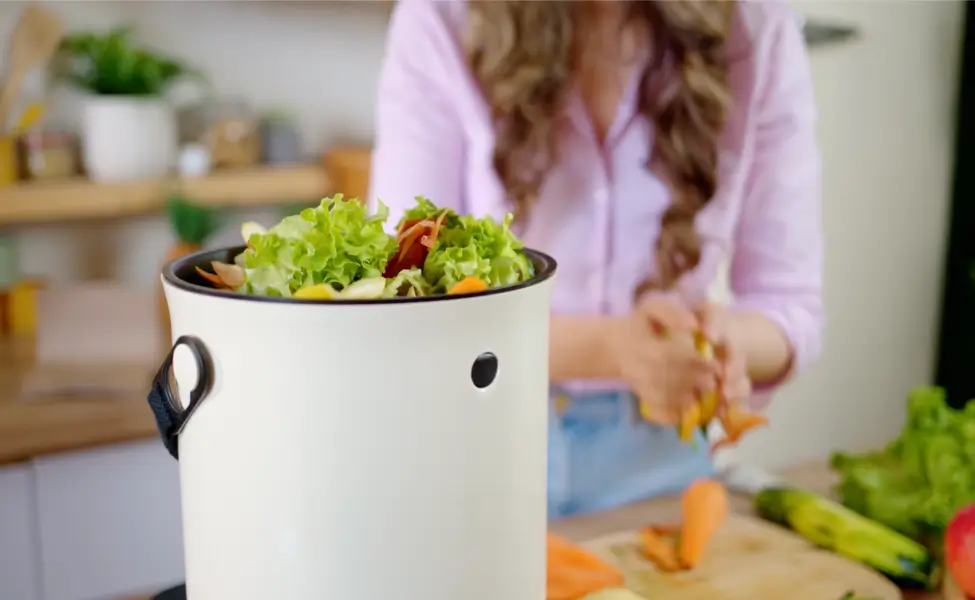
Bokashi uses a sealed bucket, a drain spigot, and a special bran mix filled with effective microbes.
These microbes ferment food scraps in an oxygen free environment.
How it works
You add scraps in layers, sprinkle a little bran, press the content down to remove air pockets, and close the lid tightly.
The system stays sealed throughout the process.
What you can compost
This method accepts almost everything. You can add cooked food, meat, dairy, fruit, vegetables, rice, pasta, and bread.
Do not add large bones or liquids because they interfere with fermentation.
Timeframe
The usual fermentation time is about two to four weeks. The content will look slightly pickled and smell mildly sour when ready.
Space needed
A single bucket uses very little room. It fits easily under a sink, beside a bin, or in a utility cupboard.
Smell control
The bucket stays sealed, so no odour escapes. Any scent inside is mild and contained.
Extras
The bucket produces a liquid known as bokashi tea. When diluted, it becomes a strong fertilizer for plants.
After fermentation
You bury the fermented material in soil if you have access.
If not, it can be added to a larger shared compost point or used in community gardens.
It breaks down faster than regular compost.
Ideal for
Small apartments, people who want to compost everything they cook, and anyone who needs a low effort indoor system.
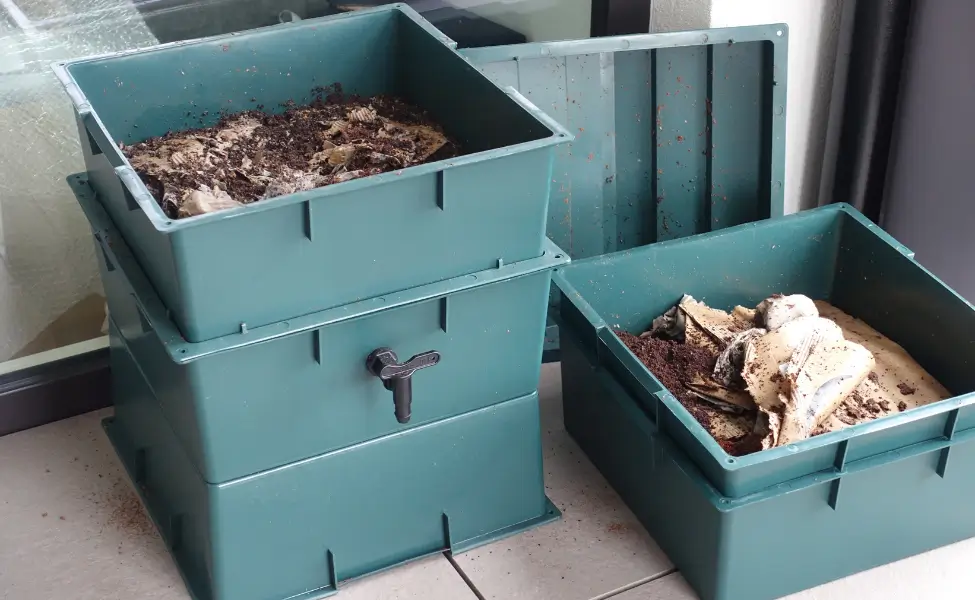
2) Try Worm Bins such as the Unco Worm Factory to recycle food waste with very little smell
Worm composting uses red wiggler worms that work quickly in small spaces.
A worm bin produces rich compost and a liquid fertilizer called worm tea.
What it is
A tiered bin with trays that stack neatly. Worms move upwards as they finish each layer of food waste.
How it works
You add bedding such as shredded paper and coconut coir, place the worms on top, then add food scraps in small amounts.
What you can compost
Worms enjoy vegetable peels, fruit scraps, coffee grounds, tea bags, and crushed eggshells. Do not add meat, dairy, or oily foods since they cause smells and attract pests.
Timeframe
You can expect finished compost in two to three months once the system is established. The worms work daily and do not rest.
Space needed
The unit fits under sinks, inside cupboards, or in a corner of a room. It has a very small footprint.
Smell control
A well balanced worm bin smells earthy, not foul. Odour appears only when the bin is too wet or worms are overfed.
Common mistakes
Adding too many scraps at once, letting the bin get too wet, or placing it somewhere very hot.
Ideal for
People who want ongoing compost production, plant owners, and those who prefer a natural, quiet system.
3) Invest in electric countertop composters such as the FoodCycler for fast, contained composting
Electric composters offer speed and convenience. These machines are ideal for people who want results within hours rather than months.
What it is
A compact kitchen appliance that heats, grinds, and dries food scraps into a soil like material.
How it works
You put scraps inside, close the lid, press a button, and the machine handles the rest. Filters contain any smell.
What you can compost
Most machines accept vegetable scraps, fruit waste, coffee grounds, bread, and small amounts of cooked food. Some models accept small bones too.
Timeframe
A full cycle takes three to eight hours depending on the model.
Space needed
It sits on a counter or a small table. No outdoor space is required.
Smell control
These units use strong carbon filters that trap odours effectively. There is no scent during operation.
Notes
The output is dried material rather than mature compost. It breaks down fully once mixed into soil.
Ideal for
Busy people, those who want a low effort system, and anyone with very limited space.
4) Choose indoor compost bins that use airflow control and carbon filters for effective smell reduction
Indoor compost bins with proper ventilation and filtration give you control over breakdown and odour.
These bins suit people who want a simple manual system without electricity or worms.
What it is
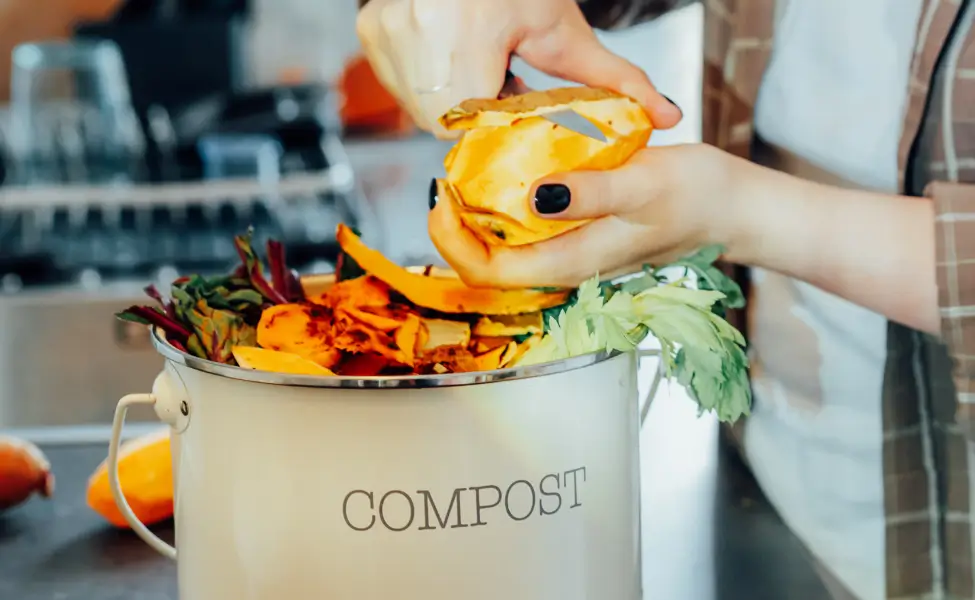
A container designed with a tight lid, small ventilation points, and a replaceable carbon filter.
How it works
Air moves gently through the bin, supporting aerobic breakdown. The filter traps odour particles before they escape.
What you can compost
Vegetable scraps, fruit waste, paper, cardboard, and other plant materials. Some bins allow limited cooked food.
Timeframe
Breakdown is slower than other methods and depends on the mix of materials.
Space needed
Most bins fit under a sink or on a counter. They are made for small kitchens.
Smell control
The carbon filter absorbs scent. Replace the filter every two to three months to maintain performance.
Ideal for
People who want an easy, compact system and do not mind slower composting.
5) Practise balancing green and brown materials to maintain healthy, odour free compost
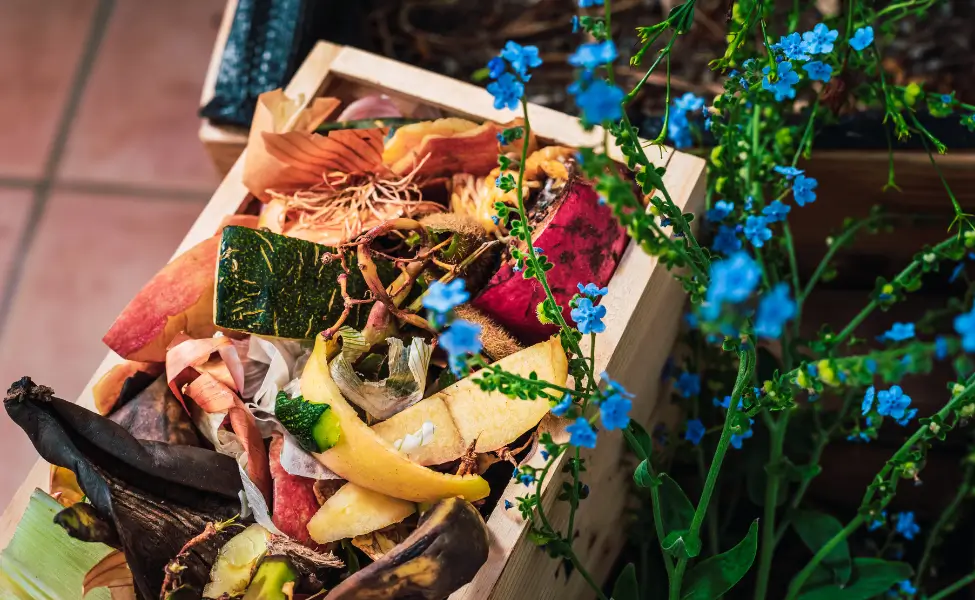
Even indoor composting depends on a balanced mixture of greens and browns.
This balance controls smell, moisture, and breakdown speed.
Greens
Fresh materials that add nitrogen. Examples include fruit scraps, vegetable peels, coffee grounds, and fresh grass.
Browns
Dry materials that add carbon. Examples include dried leaves, shredded paper, cardboard, and wood shavings.
Ratio
Aim for three parts brown to one part green. This balance supports healthy breakdown and prevents sour smells.
When compost smells
A strong sour scent means too many greens. Add more browns such as shredded paper and mix well.
When compost is slow
If it feels dry or shows little progress, add a small amount of greens to increase moisture and activity.
Ideal for
Anyone who wants full control over the process and plans to compost throughout the year.
Choosing the Best Method for Your Space
- Best for almost no smell: Bokashi
- Best for ongoing compost production: Worm bins
- Best for speed: Electric composters
- Best for low cost: Green and brown balancing with a simple bin
- Best for very small flats: Sealed Bokashi or an electric unit
Frequently Asked Questions
Yes. Modern systems are designed to contain smells and prevent pests.
They stay inside as long as conditions are correct. Escapes are rare.
Only in a Bokashi system, because it ferments the waste instead of letting it rot.
A simple bin with greens and browns is the most affordable option.
Final Words
You can compost in any small living space when you choose the right system.
Bokashi buckets, worm bins, electric composters, and filtered containers all manage kitchen scraps without unwanted smells.
Start with the option that matches your space and lifestyle, and you will build a simple routine that cuts waste and helps your plants grow.