
The July Propagation Guide
July is an excellent month for propagating plants in July because growth is strong and cuttings root quickly. Lavender, rosemary, roses, and bougainvillea can all be propagated now from healthy, non-flowering stems, dipped in rooting hormone, and kept moist in well draining soil until roots form in three to six weeks.
Sweet one, there is something a little bit magical about turning one plant into many, and July happens to be one of the best months of the year to do exactly that. The growth out there right now is strong and full of life, which means cuttings taken this month tend to root quickly and reliably. I love walking my own garden with a pair of snips this time of year, not to tidy up, but to gather up a little material to start something new. Here is what I am propagating in my own backyard right now, and how I go about it.
Lavender
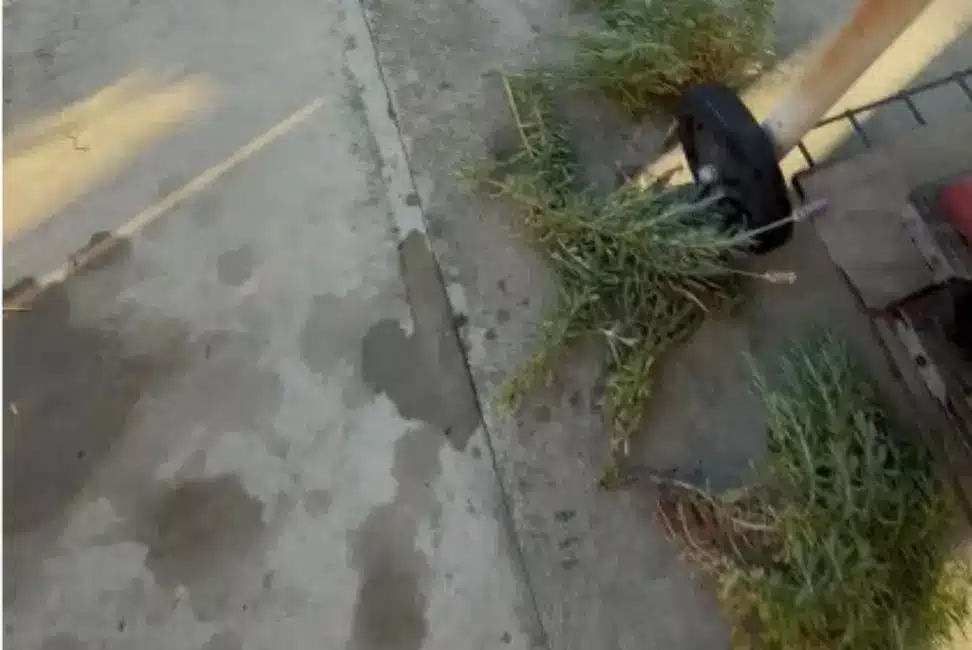
Lavender is one of my favorite things to propagate, since one healthy plant can turn into a whole hedge of fragrant silver foliage over a couple of seasons. Look for healthy, non-flowering stems that grew this year, cutting pieces around three to six inches long. Strip the lower leaves, dip the cut end in rooting hormone, and tuck several cuttings around the edge of a pot filled with well draining potting mix. Covering the pot loosely with a clear bag helps hold humidity in while the roots form, and I keep mine in a bright spot out of direct sun. Roots usually show up within three to four weeks, and once established, the young plants can go into the garden come spring.
Rosemary
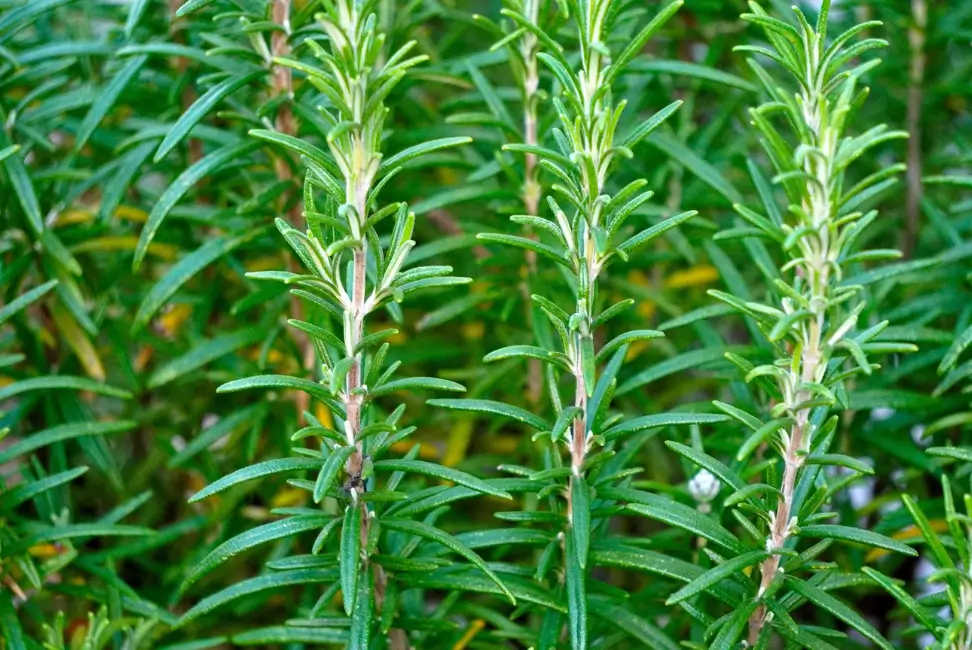
If your herb garden is anything like mine, rosemary earns its keep in the kitchen every single week, and propagating a few extra plants is such an easy way to keep a steady supply going. Choose the flexible, green tips of the stems rather than the older woody growth, taking cuttings around four to six inches long. Strip the leaves from the lower two thirds of the stem, dip the cut end in rooting hormone, and place a few cuttings around the edge of a small pot of well draining soil. Keep the soil moist but never soggy, and roots typically form within a month.
Roses
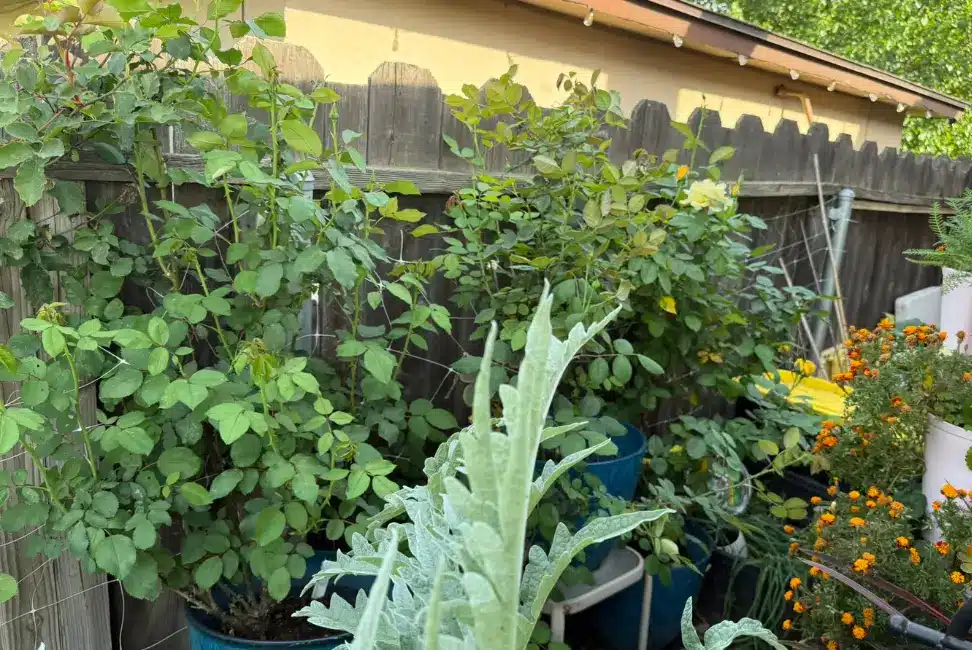
Since roses are such a big part of my cutting garden, taking summer cuttings feels like the most natural thing in the world. Choose a healthy stem that has just finished flowering, and cut it into a four to six inch section just above and below a leaf node. Remove all but the top two or three leaves, dip the base in rooting hormone, and set the cutting into a pot of well draining soil, watering it in well. Keeping the pot in a bright spot with consistent moisture and a bit of humidity gives you the best chance of success, and it is such a joy to watch a favorite rose start life all over again from just one stem.
Bougainvillea
Bougainvillea propagates beautifully from summer cuttings, which is a wonderful way to fill out a fence line or start a new one without buying another plant. Choose a semi hardwood stem, meaning one that has begun to firm up but is not fully woody yet, and take a four to six inch cutting just below a node. Remove the lower leaves, dip the cut end in rooting hormone, and plant it in well draining soil, since bougainvillea cuttings are especially prone to rot in soil that stays too wet. Keep the soil just barely moist and be patient, since bougainvillea can take a little longer to root than the others on this list, sometimes four to six weeks.
A few general truths hold true no matter which of these you are propagating. Always take your cuttings in the cool of the morning when the stems are full of moisture, use clean, sharp snips to avoid damaging the plant, and keep your new cuttings out of harsh direct sun while they are working on growing roots. Patience is really the only tool you cannot buy at the nursery, and it is the one that matters most here.
There is something deeply satisfying about looking at a garden full of plants you grew yourself from almost nothing. It costs so little, it teaches you to slow down and pay attention, and by next spring you will have new plants ready to fill in the gaps or share with a friend, which is really one of the sweetest parts of propagating plants in July.
Your July Propagation Questions, Answered
Is July a good time to take plant cuttings? Yes. Plants are growing strongly in July, which means cuttings taken now tend to root faster and more reliably than cuttings taken earlier or later in the year.
How long does it take for cuttings to root in summer? Most cuttings, including lavender, rosemary, and roses, root within three to six weeks in summer, though bougainvillea can take a little longer.
Do I need rooting hormone to propagate cuttings? It is not strictly required, but dipping the cut end in rooting hormone speeds up root development and improves the success rate, especially for woodier plants like rosemary and bougainvillea.
Should I take cuttings from flowering or non-flowering stems? Non-flowering stems root more reliably, since the plant’s energy is going toward growth rather than blooming.
What is the best time of day to take cuttings? Early morning, while the stems are still full of moisture from the cool overnight air, gives cuttings the best start.
From my backyard to yours, Aunt C 🩷