
Growing fresh herbs and vegetables in small spaces is easier than ever. Anyone can turn a tiny harvest into homemade meals that taste surprisingly good.
If you’ve got a balcony, a windowsill, or just a couple of containers, you can grow enough for simple, flavorful dishes. Fresh food from your own plants often beats anything from the store.
The best garden-to-table recipes only need a few fresh ingredients and basic cooking skills. Even a small pot of herbs or a box of lettuce can become the star in salads, sauces, or hearty main dishes.
You don’t need a big garden or fancy skills. A little homegrown produce can go a long way.
Let’s start with what you need to know about growing in small spaces.
How to Grow Food in Small Spaces
What can you grow in a small space? Small-space gardening needs smart plant choices and some creative thinking. The right crops, clever growing methods, and routine care make for productive gardens all year.
Which Plants Thrive in Small Containers?
Grow herbs in containers to add abundant flavor to your meals. Basil does well in a 6-inch diameter pot and keeps growing leaves if you pick them often.
Cilantro likes cooler weather and you can plant new seeds every few weeks. Mint spreads aggressively, so give it its own pot.
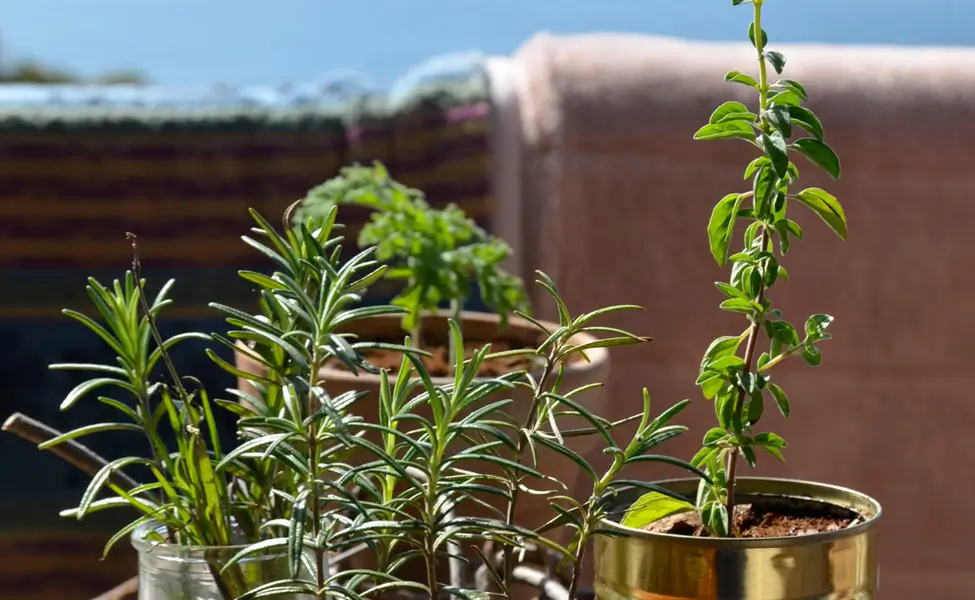
Parsley, rosemary, and thyme are tough and require minimal care.
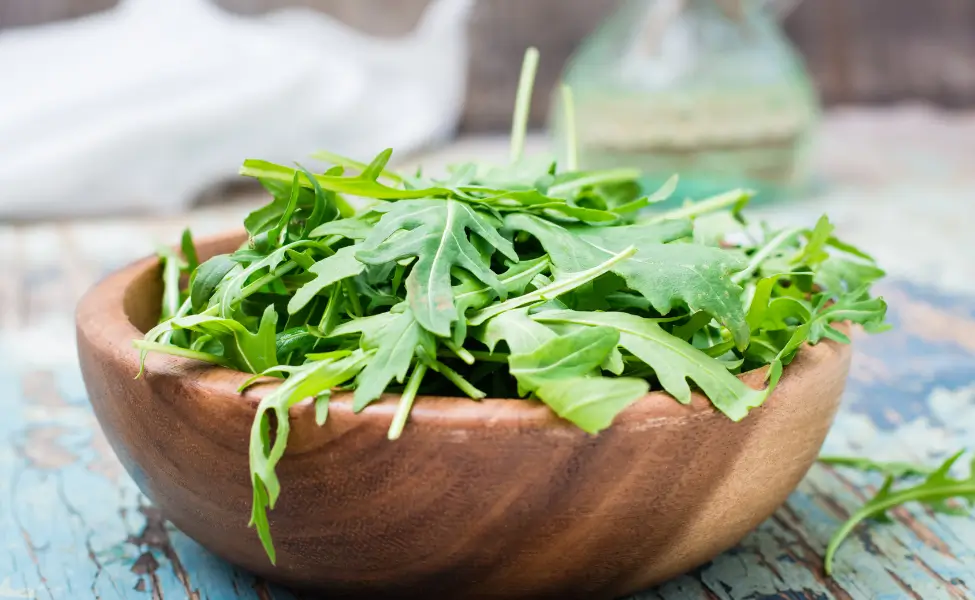
Need fast results? Leafy greens are quick and compact. Arugula is ready in about a month and grows in shallow pots. Kale and spinach let you pick leaves as they grow, so you get more over time.
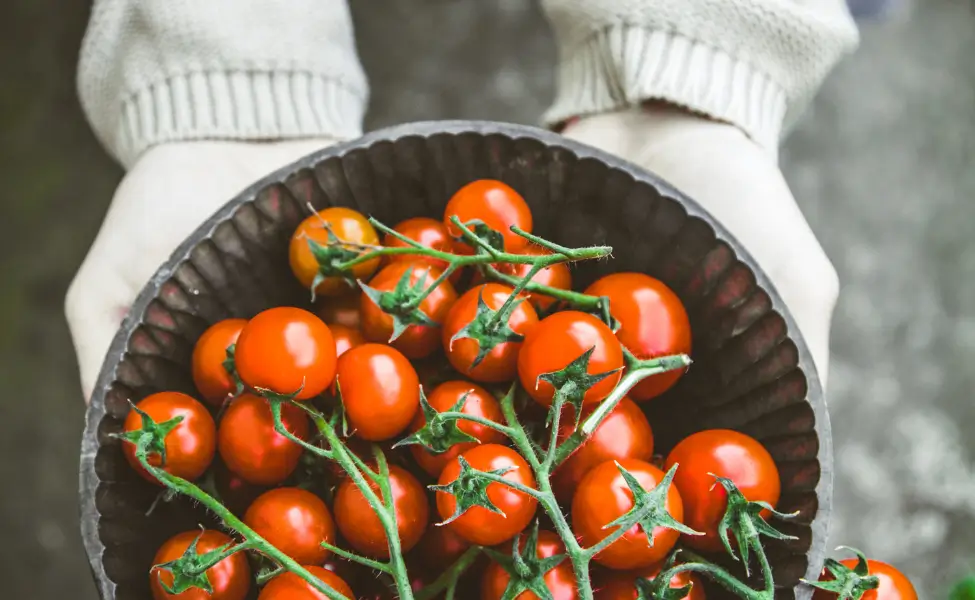
Compact vegetables are best for tight spots. Cherry tomatoes make more fruit per plant than big ones.
Bell peppers and other peppers also do well in containers, as long as there’s good drainage.
Root vegetables need deeper pots. Carrots want at least 8 inches of soil, but you can pick shorter types like Paris Market carrots for shallower pots.
Summer squash and zucchini need big containers but give you lots of food. Cucumbers can climb up trellises to save floor space.
Once you’ve selected your plants, these strategies help you grow more.
How Do You Get More Food from Less Space?
Vertical growing helps you use every inch. Trellises let cucumbers and some tomatoes climb instead of sprawl.
Wall planters can hold several herbs in a small area. Hanging baskets are great for trailing plants and keep your surfaces clear.
Succession planting (starting new crops every few weeks) means you always have something fresh. Start new lettuce seeds every couple of weeks. When one crop’s done, plant another.
Companion planting lets you squeeze more into each pot. Basil and tomatoes complement each other and might even taste better together.
Fast radishes can share space with slower carrots.
Pick productive varieties that keep going strong. Cut-and-come-again lettuces (varieties that regrow after harvesting outer leaves) give you multiple harvests.
Some tomatoes give all their fruit at once, others keep producing for months.
Intensive spacing is possible in containers with rich soil. Plants can go closer together since you’re looking after each one.
Balcony Garden Maintenance for Year-Round Freshness
Pay attention to watering, especially during hot weather. Containers dry out much faster than garden beds.
Stick your finger an inch into the soil to check for moisture. Water deeply until it comes out the bottom.
Mornings are best for watering since it cuts down on evaporation and disease.
Feed your plants regularly because pots have limited nutrients. Use liquid fertilizer every couple of weeks to keep plants happy.
Compost tea is gentle and great for herbs and greens.
Harvesting at the right moment keeps plants producing. Pick herbs often to stop them from flowering and getting tough.
Harvest lettuce and spinach when the leaves are young.
Seasonal planning helps you keep fresh food coming. Grow cool-loving crops like kale and arugula in fall and winter.
Basil and tomatoes love the summer. Protect your plants from wild weather with shade cloth or row covers if things get extreme.
Once you’ve grown your fresh produce, the fun part begins. Let’s turn that harvest into delicious meals.
Turn Your Harvest into Fresh, Flavorful Meals
Your garden’s star players work in countless dishes with minimal prep. Think tomato pasta, herb sauces, and salads that actually excite you.
What’s the Easiest Way to Use Fresh Tomatoes?
Tomatoes and basil create that classic Italian flavor in quick, tasty meals. The sweet aroma of ripe tomatoes and fresh basil fills your kitchen as you toss them with garlic, olive oil, and basil over pasta for a dinner that’s ready in 15 minutes.
Cherry tomatoes are excellent in omelets. Sauté them with spinach and herbs for a fresh breakfast.
They’re also perfect on flatbread or pizza.
Quick Tomato Dishes:
- Thick-sliced tomatoes and fresh basil for caprese salad
- Diced tomatoes, garlic, and olive oil for bruschetta
- Roasted cherry tomatoes and herbs for pasta sauce
- Chopped tomatoes in scrambled eggs
Use the ripest tomatoes you can find. They should smell sweet and feel a little soft.
Add basil at the end so it stays bright and fresh.
Simple Salads and Salsas from Homegrown Produce
Just-picked vegetables make your salads taste fresher and more vibrant. Try cucumber and mint with lemon juice for a cool side on hot days.
Arugula adds a peppery kick. Toss it with olive oil, lemon, and whatever else you’ve got ready (peppers, onions, tomatoes, you name it).
Easy Garden Salsa Recipe:
- 4 large tomatoes, diced
- 1/2 onion, chopped
- 2 peppers, diced
- 1/4 cup cilantro, chopped
- 2 tablespoons lime juice
- Salt to taste
Let salsa sit for half an hour before eating so the flavors blend. Make it spicy with hot peppers or keep it mild with sweet ones.
Zucchini and summer squash deserve special attention since they produce so abundantly.
Quick Summer Squash and Zucchini Dishes
Zucchini and summer squash grow fast and accumulate quickly. The simplest way to cook them is to slice and sauté with garlic and olive oil.
It only takes five minutes and goes with almost anything.
Zucchini fritters are a fun snack or appetizer. Grate the zucchini, squeeze out the water, then mix with herbs and cheese and pan-fry.
They’re crispy outside, tender inside.
Simple Squash Ideas:
- Grill thick slices with olive oil and herbs
- Add diced squash to eggs
- Toss thin slices into pasta at the end of cooking
- Roast chunks with other veggies
Don’t overcook them. Keep squash a little firm for the best texture.
Herb-Infused Sauces, Dips, and Butters
Fresh herbs add bright, intense flavor to any sauce. Basil, parsley, and cilantro all work for a speedy pesto.
Blend herbs with garlic, olive oil, and a squeeze of lemon for a sauce that brightens up anything.
Herb butter is even easier. Just mix chopped herbs into soft butter with a pinch of salt. The fragrant herbs infuse the butter with garden-fresh flavor.
It keeps for a week in the fridge and tastes great on bread, veggies, or grilled meat.
Basic Herb Pesto:
- 2 cups fresh herbs (basil, parsley, or both)
- 3 cloves garlic
- 1/2 cup olive oil
- 2 tablespoons lemon juice
- Salt to taste
Spread these sauces on pasta, dip veggies in, or slather on sandwiches. They’re significantly better than store-bought and use up extra herbs.
These simple preparations work as sides and condiments. Now let’s look at full meals.
Make Hearty Meals from Your Garden Harvest
Transform ordinary comfort food into something extraordinary with your homegrown vegetables.
Pasta and Rice with Homegrown Vegetables
Pasta is a blank slate for garden veggies. Toss it with sautéed zucchini, bell peppers, and fresh spinach.
Cut veggies to similar sizes so they cook evenly.
Start with garlic and onions in olive oil. Add firmer veggies first, then soft ones like zucchini.
Rice dishes come alive with corn, peppers, and spinach. Use vegetable broth for extra flavor instead of water.
Quick tip: Save some pasta water to loosen up sauces. It helps veggies stick to the noodles.
Eggs offer another versatile base for garden vegetables.
Omelets, Frittatas, and Savory Bakes
Eggs and garden veggies make fast, tasty meals. Frittatas are perfect for using up whatever’s on hand (zucchini, spinach, peppers, or corn).
Cook the veggies first, add eggs, then finish in the oven. Cheese adds richness and holds it all together.
Vegetable gratins layer sliced squash or other veggies with cheese and cream. They work as mains or hearty sides.
Pro tip: Salt zucchini slices and let them sit for 15 minutes before cooking. It pulls out water and keeps dishes from getting soggy.
Stuffed Peppers, Fritters, and Skewers
Stuffed peppers make garden veggies a full meal. Fill bell peppers or poblanos with rice, corn, onions, and cheese.
The peppers act as edible bowls.
Vegetable skewers are simple: thread chunks of zucchini, peppers, and onions, brush with oil, and grill. Watch the vegetables develop charred edges and smoky flavor.
Sprinkle chopped almonds or pine nuts on top for crunch.
Made too much? Here’s how to preserve your bounty for later.
Keep Your Harvest Fresh for Months
Got more herbs than you can use this week? Fresh herbs fade fast, and veggies can get mushy if you don’t store them right. Simple tricks like oil infusions and freezing help you keep the harvest longer.
Zero-waste cooking means even scraps can turn into something tasty.
How Do You Keep Your Harvest Fresh Longer?
Herbs need special care. Store soft ones like mint in water jars in the fridge.
Wrap sturdy herbs like thyme and rosemary in damp towels.
Keep veggies where they last longest. Carrots stay crisp in the crisper drawer. Kale lasts longer if you don’t wash it until you need it.
Temperature makes a difference. Let tomatoes ripen on the counter before chilling.
Root veggies like cool, dark spots (around 50 to 60°F).
Wash veggies right before eating, not before storing, to avoid rot.
Simple Preserves and Infusions for Every Season
Herb-infused olive oil locks in flavor for months. Put clean, dry herbs like rosemary or thyme in a jar with olive oil. The herbs release their aromatic oils into the olive oil.
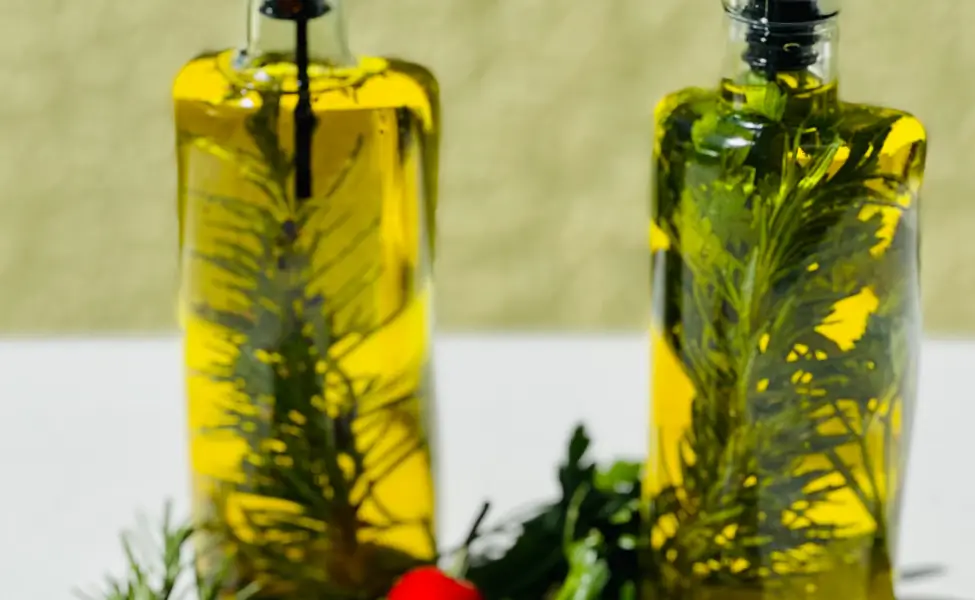
Let it sit in a cool, dark place for two weeks.
Freezing keeps veggies fresh. Blanch carrots for two minutes before freezing to keep them bright and crisp.
Quick pickles are easy: mix equal parts water and vinegar with salt, add veggies, and refrigerate.
They’ll last several weeks and add a tangy bite.
Herb salts mix dried herbs with coarse salt. Try mint, thyme, or rosemary with salt and sesame seeds.
Store in a sealed container and use all winter.
Beyond preserving whole vegetables, you can use every part of your harvest.
Transform Scraps into Something Delicious
Don’t toss those vegetable scraps. They make excellent, flavorful broth. Just toss carrot tops, herb stems, and kale ribs into a freezer bag.
When you’ve got enough, simmer them with water and a squeeze of lemon juice. You’ll end up with a flavorful stock that beats anything from a box.
Wilted herbs don’t have to go to waste. Mash soft herbs into butter and freeze the mixture in ice cube trays.
Later, you can pop out a cube or two for quick flavor boosts in your cooking. It’s surprisingly handy.
Overripe fruits can turn into simple sauces. Blend those soft fruits with a bit of lemon juice.
Pour the sauce over pancakes or swirl it into yogurt. It’s a sweet way to avoid tossing them.
Vegetable peels aren’t just scraps. Toss clean carrot peels or kale stems with olive oil and salt.
Bake them until crispy. Suddenly, you’ve got healthy chips and a little less food waste.