
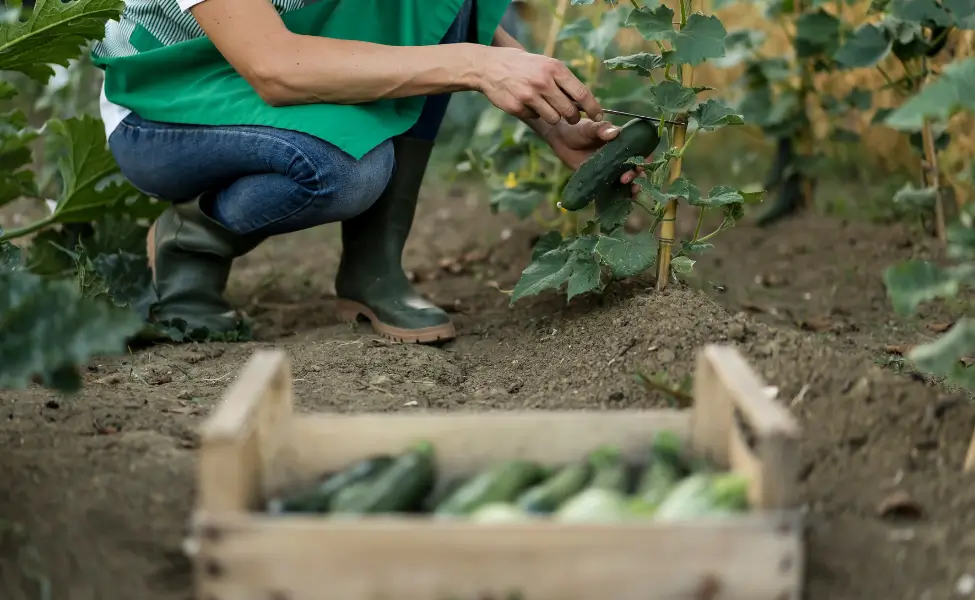
You do not need a garden to grow real food.
A few sturdy containers, some good soil, and steady light can turn a balcony, patio, porch, or bright window into a productive space that keeps you supplied with fresh vegetables.
Many crops actually grow better in pots because you control the soil, the water, and the environment. Once you know which plants thrive in small spaces, you can enjoy regular harvests all season.
Below are ten reliable container crops that work for beginners and anyone short on room. Each one grows well in pots, produces quickly, and does not require complicated tools or experience.
1. Cherry Tomatoes
Cherry tomatoes are among the most rewarding crops you can grow. Compact, determinate varieties stay small enough for containers and usually reach about one to two and a half feet tall. These plants give you clusters of sweet tomatoes that are perfect for salads, snacks, and pasta dishes.
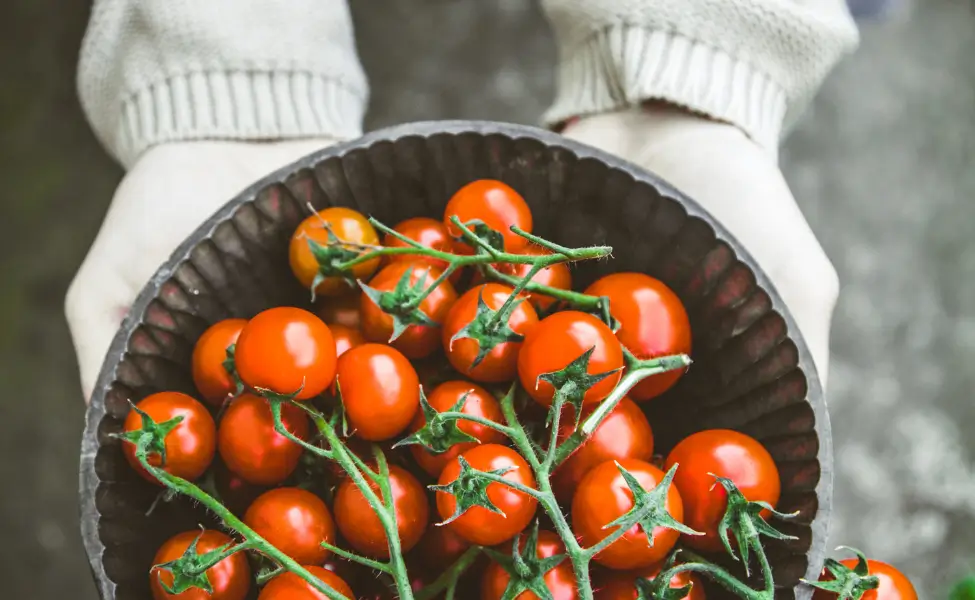
Choose varieties bred for containers. Good picks include ones that stay low and bushy. A pot between three and five gallons is enough for one plant, though larger containers help the plant stay hydrated for longer.
Use a rich potting mix and place the container somewhere that receives six to eight hours of bright light each day.
Cherry tomatoes often start fruiting about fifty to sixty five days after planting. Once they begin to ripen, you can pick new tomatoes every few days.
Keep the soil evenly moist and feed with a tomato fertiliser every couple of weeks. A healthy plant produces dozens of fruits throughout the season.
2. Zucchini
Zucchini may look like a large plant, yet it grows surprisingly well in containers. One plant in a five gallon pot is enough to give you steady harvests through summer. Compact varieties take up less space and suit balconies and patios.
Start with a large container filled with loose potting mix. Put it where the plant receives six to eight hours of sunlight. Keep the soil consistently moist, especially during warm spells. Zucchini usually begins producing in about forty five to sixty days.
Pick the fruits when they are six to eight inches long for the best flavour and texture.
A single plant can give you several pounds of zucchini if you harvest regularly.
3. Lettuce Mix
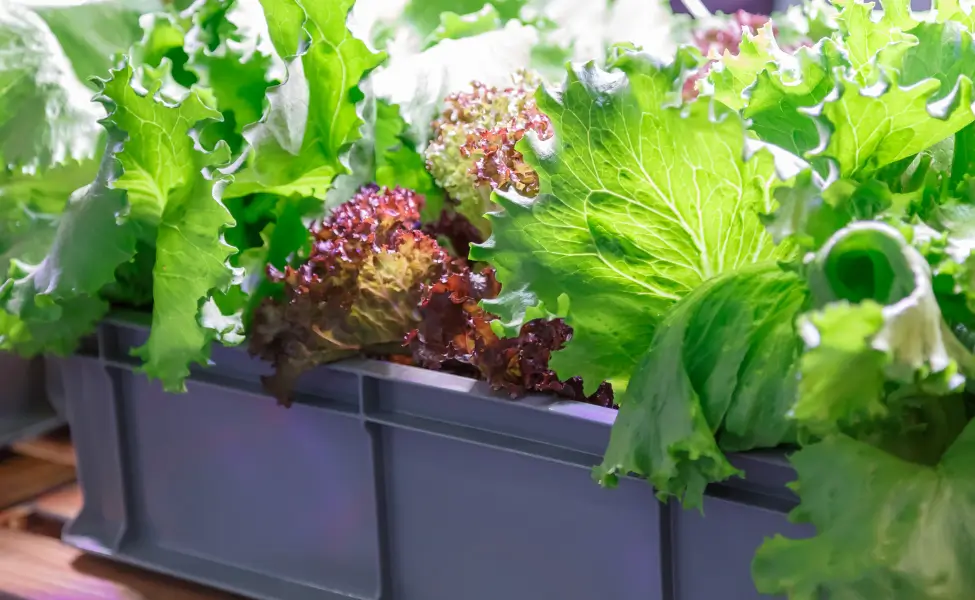
Lettuce is one of the simplest crops for small spaces. It grows quickly, works in shallow pots, and tastes much fresher than anything you buy from a shop. A mixed planting of loose leaf varieties gives you a range of colours and textures.
Use a pot at least six inches deep with drainage holes. Scatter seeds across the surface, cover lightly with soil, and keep the soil moist. Baby lettuce leaves can be ready in as little as three to four weeks. Pick the outer leaves and let the centre continue to grow. This cut and come again method gives you a long harvest window.
Lettuce also tolerates partial shade, which makes it ideal for balconies that do not receive direct sun all day.
4. Radishes
Radishes are perfect for impatient gardeners. They germinate fast and reach full size in about twenty five to forty days. They grow well in small containers and do not need deep soil.
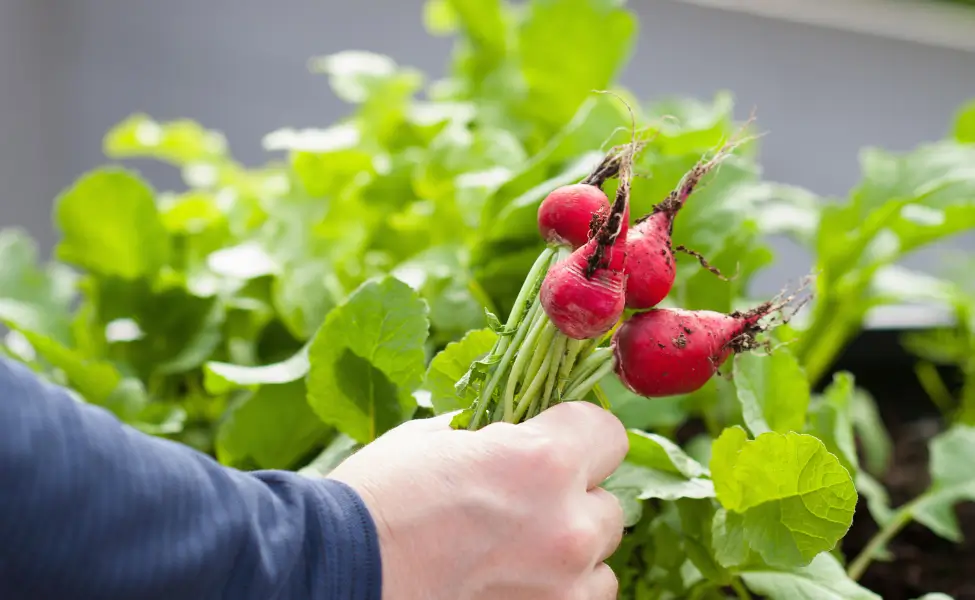
Choose round varieties for the best results in pots. Fill a container at least six inches deep with loose soil. Sow seeds about one inch apart and water gently. The roots swell quickly, and you can pick them once they reach about an inch across. The leafy tops are also edible.
Radishes prefer cool conditions and steady moisture. With good care, you can plant a new batch every few weeks for constant harvests.
5. Bell Peppers
Bell peppers thrive in pots. Their root systems stay compact, and container growing reduces issues with soil pests. Use a container of at least five gallons and plant one pepper per pot.
Peppers need warm weather and full sun. Place your pots somewhere that receives bright light for most of the day. Keep the soil moist but not waterlogged. A liquid feed every two to three weeks encourages strong growth.
Container peppers can be just as productive as garden plants. With steady warmth and attention, you can pick crisp, sweet peppers throughout the season.
6. Spinach
Spinach grows well in shallow pots and gives you a steady supply of tender leaves. A two gallon container is usually enough for a good patch of spinach.
It prefers cool weather, so plant it in early spring or autumn. Sow seeds half an inch deep and space them about two inches apart. Keep the soil moist to prevent bitterness and early bolting.
You can begin harvesting baby leaves within a few weeks. Pick the outer leaves and leave the centre to grow. Move the pot to a slightly shaded spot if temperatures rise. Cool conditions keep the leaves sweet and tender.
7. Bush Beans
Bush beans are compact plants that do not need trellises. They grow well in medium sized pots and provide generous harvests through summer.
Use a container at least eight inches deep and plant seeds directly into the soil. Give the plants six hours of sunlight or more each day. Keep the soil evenly moist and avoid letting it dry out during flowering.
Bush beans are usually ready about fifty to sixty days after planting. Regular picking encourages the plant to produce more beans. The flavour of freshly picked beans is far better than shop bought ones.
8. Carrots
Carrots thrive in deep, loose soil, which means containers can work extremely well when you choose the right variety. Short types like Paris Market or Thumbelina are ideal for pots because they grow round roots rather than long taproots.
Choose a container at least twelve inches deep for most varieties. Longer varieties need even deeper pots to grow without bending. Fill the container with a sandy, loose potting mix so the roots can develop evenly.
Sprinkle seeds across the surface and cover with a thin layer of soil. Thin seedlings as they grow to prevent overcrowding. Pull baby carrots early or let them grow to full size. Most varieties are ready in about seventy days.
9. Basil and Parsley
Herbs are some of the most rewarding plants to grow in containers. Basil and parsley are both beginner friendly and give you fresh leaves for months.
Basil needs warmth and lots of sunlight. A sunny window or balcony works well. Keep the soil moist and pinch off the top leaves to encourage the plant to branch out. Parsley prefers slightly cooler weather and can handle partial shade.
Harvest the outer leaves first so the plant continues producing. One or two pots of each herb can supply you with more fresh flavour than you expect.
10. Green Onions
Green onions are a perfect crop for very small spaces. They grow quickly and you can regrow them from the root ends.
Plant several root ends in a small pot filled with well draining soil. Place the container somewhere bright and keep the soil lightly moist. New green shoots appear quickly.
You can cut the tops as needed or pull up whole plants. If you leave the roots in the soil, many will regrow for another round. Because green onions take little space, you can grow them on a windowsill or fit them between larger pots.
Maximising Success with Container Crops
Growing vegetables in pots is straightforward, yet a few basic principles make a big difference in your results.
The right size container, suitable soil, steady watering, and simple pest control will help your crops thrive.
Choosing the Right Containers
Container size affects plant health more than most beginners expect. Larger pots hold more soil, which means better moisture retention and more space for roots to develop.
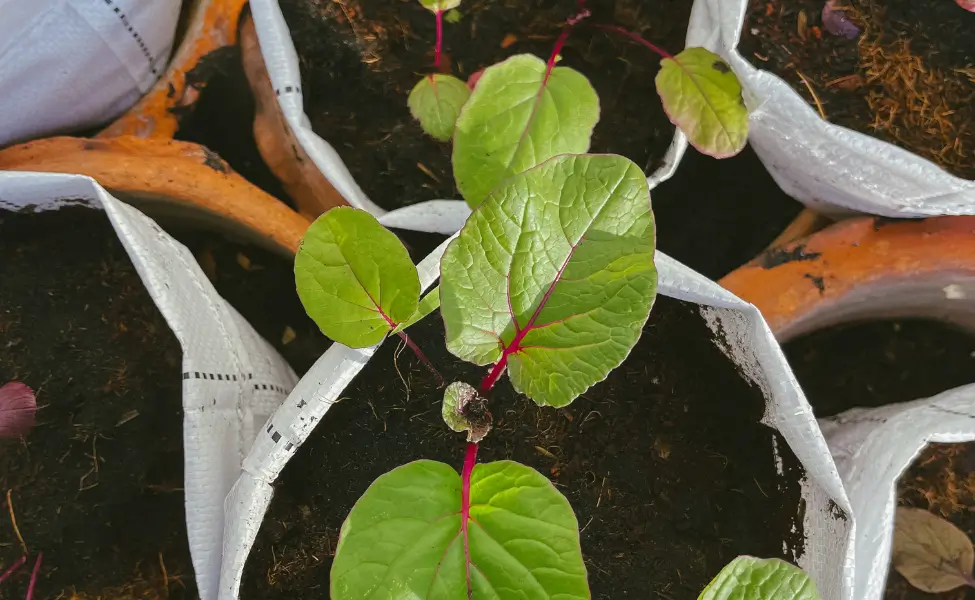
Plastic pots stay moist longer and cost less. Fabric grow bags give roots plenty of air and prevent water from pooling. Terracotta pots look attractive but dry out quickly.
Make sure every container has drainage holes. Without drainage, water sits in the bottom and causes root problems. Deep rooted crops need pots at least sixteen to eighteen inches deep. Lettuce and herbs are happy in much shallower containers.
Selecting and Preparing Soil
Do not use soil from the ground. It compacts easily in pots and drains poorly. A good potting mix contains components that keep the soil light, such as coconut fibre, peat moss, perlite, or vermiculite.
Mix a slow release fertilizer into the soil before planting so your crops receive a steady supply of nutrients. Fill containers to about two inches below the rim to leave space for watering.
Watering and Feeding Your Plants
Container plants dry out much faster than garden plants. Check moisture daily by pressing your finger into the top inch of soil. Water when it feels dry. During hot weather, you may need to water once or even twice a day.
Pour water slowly until it drains from the bottom. Feed your plants with a liquid fertilizer every two to three weeks to support steady growth.
Morning watering is usually best. The plants can absorb moisture before the day warms.
Harvesting and Day to Day Care
Harvesting at the right moment gives you better flavour and encourages the plant to keep producing. Cherry tomatoes should be firm and fully coloured. Lettuce tastes best when leaves are young. Spinach stays sweeter if picked before the weather turns warm.
Use clean scissors or shears to avoid damaging stems. Harvest herbs by pinching the top leaves to help the plant grow fuller.
Managing Pests and Diseases in Small Spaces
Container gardens face fewer pests than large gardens. Still, you should look under leaves regularly for common problems such as aphids or spider mites.
Washing leaves with water can remove many small insects. Insecticidal soap helps when pests are persistent.
Fungal issues often appear when plants stay wet or crowded. Leave space between pots for airflow and water the soil rather than the leaves. Remove damaged leaves as soon as you spot them.
Sticky traps can help control flying insects, though keep them away from bees and other helpful insects.