
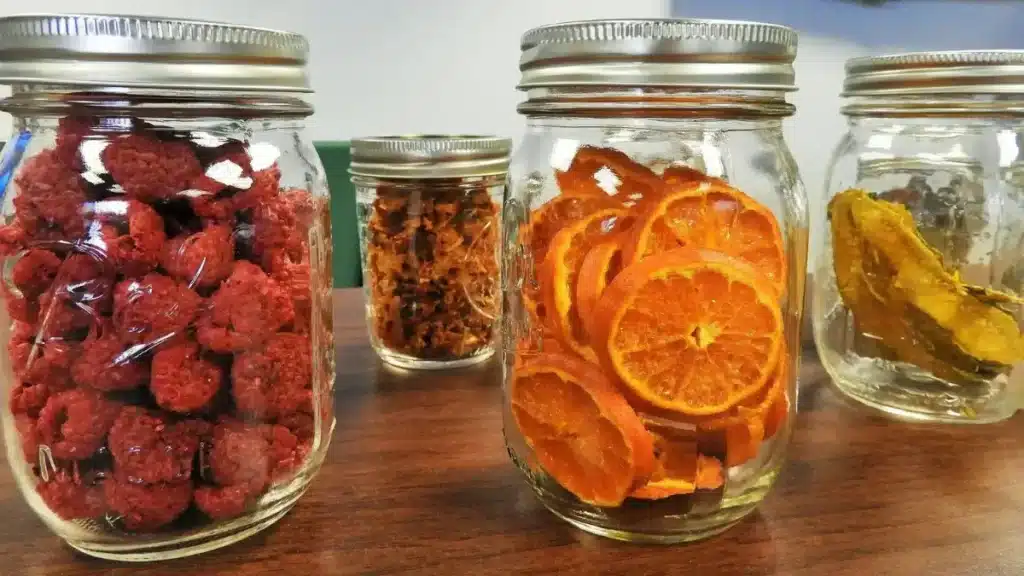
I was standing in the grocery store recently, staring at a small bag of dried apples priced around six dollars.
And I thought, I have apples at home.
There is something deeply satisfying about opening your pantry and seeing food you preserved yourself. Not because it looks perfect.
Not because it belongs in a magazine.
But because you know where it came from and you know it will be there when you need it.
If canning feels overwhelming and freezing feels uncertain during power outages, dehydrating may be your quiet starting place.
It is steady work. It is forgiving work. And it does not require strength, speed, or fancy equipment.
Why Dehydrating Works So Well in This Season of Life
Dehydrating food removes moisture.
When moisture is reduced, bacteria, yeast, and mold cannot grow easily. That is what makes dried food last longer.
For many women building a pantry later in life, especially on a fixed income, dehydration offers real advantages:
- No heavy pots or lifting cases of jars
- No pressure to seal lids perfectly
- No fear of losing everything during a power outage
- Lower energy use than running a freezer long term
You are simply lowering the water content so the food becomes shelf stable. That is the goal.
And if something does not turn out perfectly, you adjust and try again. Nothing is wasted but experience.
Do You Need a Dehydrator?
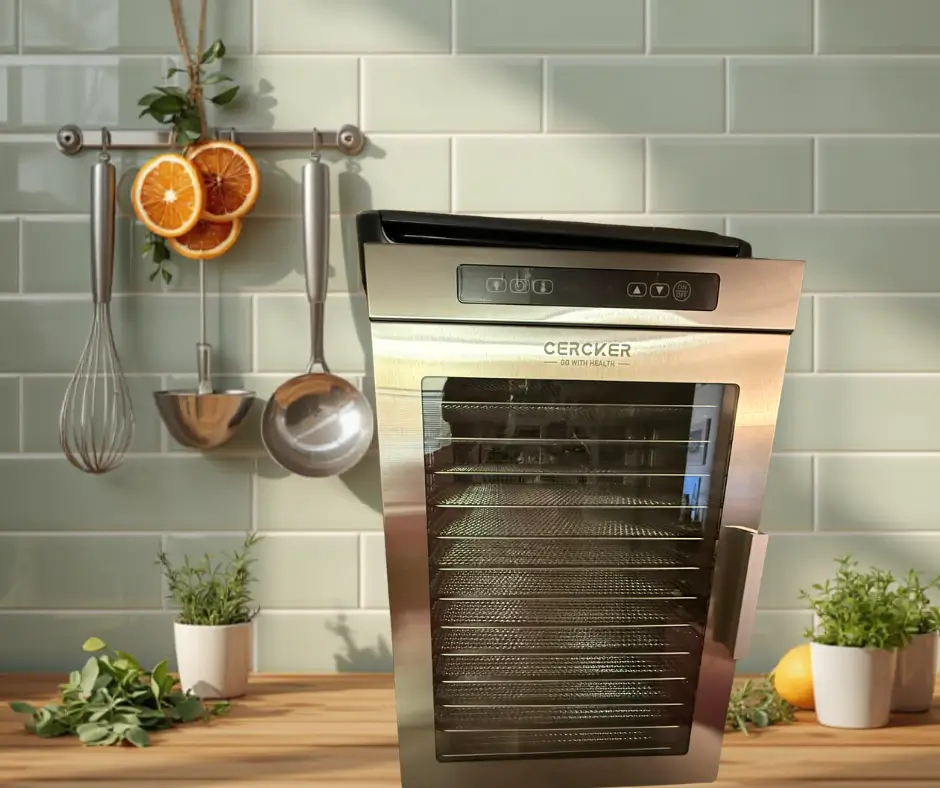
No, you do not have to own one.
You can dry food:
- In an oven that can hold a low temperature of about 140 to 150°F
- In a dehydrator with a fan and adjustable heat
- In the sun, but only in hot, dry climates and mainly for fruit
Using an Oven Safely
Most ovens are designed to cook, not dry. If you use one:
- Set it to the lowest temperature possible
- Use an oven thermometer to confirm the temperature stays around 140 to 150°F
- Crack the door slightly to allow moisture to escape
If the oven runs hotter than 170°F, the food may cook instead of dry.
That changes texture and flavor.
What About Sun Drying?
Sun drying can work for high-sugar fruits in areas with low humidity and consistent heat. It is not recommended for vegetables or meats because the temperature is difficult to control.
If you already own a basic countertop dehydrator, even a simple round model, it will make the process easier and more consistent. But you can begin with what you have.
Best Foods for Beginners
If you are just starting, choose foods that behave well.
Good beginner options include:
- Apples
- Bananas
- Herbs
- Cherry tomatoes
- Zucchini
- Onions
- Peppers
These foods tolerate minor slicing differences and are less complicated than meats.
A Simple Example: Drying Apples
Start with one apple.
- Wash and slice it about one quarter inch thick.
- If you want to reduce browning, dip slices briefly in lemon water.
- Lay slices in a single layer on trays.
- Set your dehydrator to about 135°F.
Drying time usually ranges from 8 to 12 hours. Humidity, slice thickness, and airflow all affect timing.
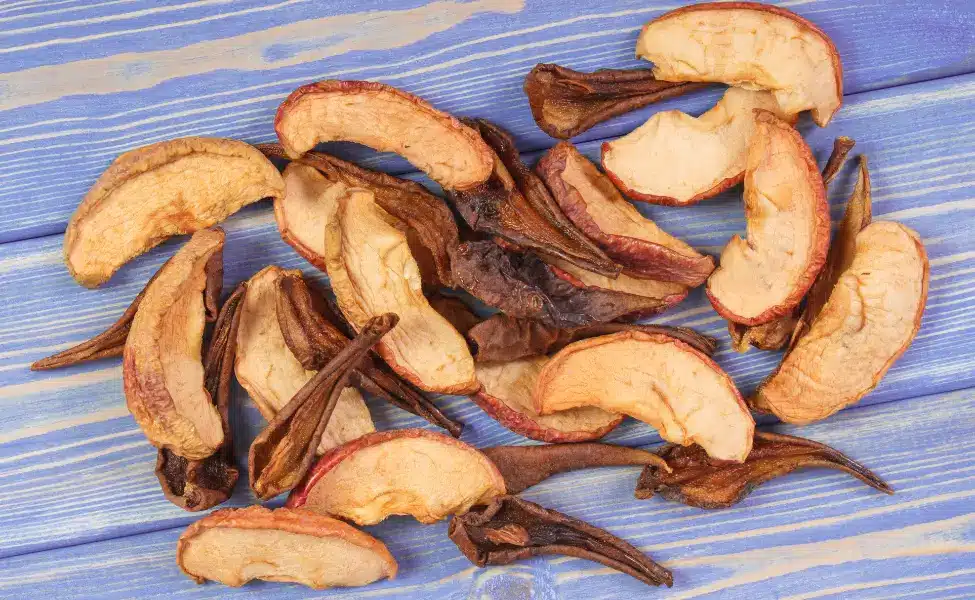
When finished, apple slices should be leathery and pliable, not sticky or wet. They may look darker and more wrinkled than store-bought versions. That is normal.
How to Know When Food Is Truly Dry
This is the part that protects your pantry.
Food must be dry enough that moisture cannot support mold growth. For fruits, that often means flexible but not sticky. For vegetables, that usually means brittle or crisp.
A helpful step called conditioning adds extra safety:
- Let the dried food cool completely.
- Place it loosely in a glass jar for about one week.
- Shake the jar daily.
If you see condensation inside the jar, the food still contains moisture. Return it to the dehydrator for another hour or two and test again.
Do not skip this step when you are learning.
Storing Dehydrated Foods Properly
Once fully dry, store your food in airtight containers:
- Glass jars with tight lids
- Reused jars that seal well
- Mylar bags with oxygen absorbers
Keep containers:
- In a cool place
- Out of direct sunlight
- Clearly labeled with the date
Cool, dark storage slows nutrient loss and preserves flavor. Many properly dried fruits and vegetables can last six months to a year, sometimes longer, depending on storage conditions.
How Dehydrated Foods Fit Into a Simple Pantry
Dehydrated foods are not meant to replace fresh food. They support it.
They are especially helpful for:
- Adding flavor to soups and stews
- Stretching meals during tight weeks
- Preserving garden surplus
- Reducing food waste
A jar of dried onions or herbs can save both money and a trip to the store. That matters when retirement dollars need to stretch.
A Gentle Word About Mistakes
Everyone overdrys something.
Everyone underdries something.
And we all forget a tray once in a while.
That is part of learning.
Start small. Try one food. Pay attention to texture. Take notes if that helps you feel confident.
You do not need a perfect pantry. You need a beginning.
And dehydrating is a steady, manageable first step toward one.