
If you garden in a warm climate, you can enjoy herbs long after summer fades. Many people assume herbs behave like annual flowers that collapse as soon as the heat drops, but that is not true at all.
In USDA Zones 9 and 10, several dependable herbs keep producing through fall and even through winter if you give them the right care.
I have grown all five of these myself in both small yards and tight patios, and they have earned their place because they continue delivering fresh growth when other plants quit.
These warm climate herbs work beautifully for busy gardeners, apartment dwellers with bright balconies, and anyone who wants reliable flavors without constant replanting.
Most of them handle mild winters easily, and even the ones that go dormant bounce back stronger each spring.
You can grow them in beds, raised planters, or containers, and they respond well to simple seasonal routines rather than complicated maintenance.
Below you will find the reordered list that makes the most sense for warm-climate gardeners.
The flow begins with the most dependable evergreen herbs and moves toward the soft perennials that rest in winter before bursting into fresh growth in spring.
Rosemary: Evergreen Strength and Steady Flavor All Year
Rosemary deserves the top spot because it behaves like a small shrub rather than a delicate herb, and in Zones 9 and 10 it rarely slows down. This plant keeps its leaves through every season, even during rare cold snaps. I have clipped rosemary after winter rainstorms, after long dry spells, and during warm January afternoons, and the fragrance is always just as strong.
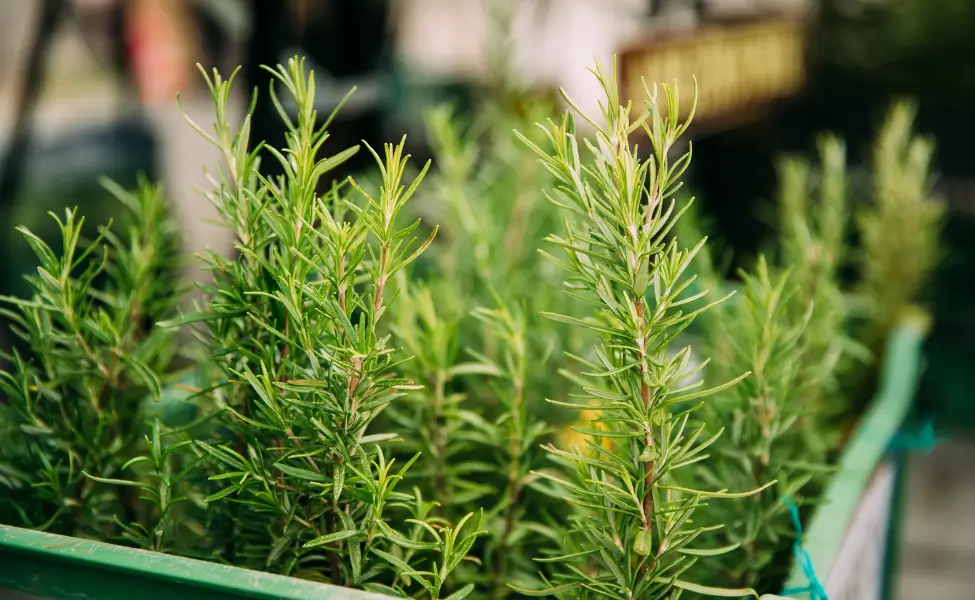
Rosemary prefers a sunny spot and soil that drains quickly. In the ground it can grow several feet tall and wide over a few seasons. In containers, aim for at least a twelve-inch pot so the roots can spread without stress. Use a light potting mix with plenty of grit or perlite. Heavy soil slows the plant and makes it vulnerable to rot.
Watering is simple. Once rosemary establishes, you only need to water when the top two inches of soil feel dry. The plant does not like to sit in damp soil for long periods. During the cooler months, you water even less. Many beginners overwater rosemary, especially in winter, so take a moment to check the soil before reaching for the watering can.
Pruning keeps the plant compact and productive. Trim the tips lightly every couple of weeks during the growing season. If your plant becomes woody, shape it gradually over the year rather than cutting too much at once. When you prune often, rosemary rewards you with thicker growth and more usable stems.
Pests rarely bother rosemary. Deer ignore it, rabbits pass it by, and insects dislike the strong aroma. In spring, small blue or purple flowers attract bees, turning even a modest potted plant into a mini pollinator station.
In the kitchen, rosemary holds its flavor whether you use it fresh or dried. The needles stand up to long cooking times in roasting pans, slow cookers, and soups. Because the flavor from Zone 9 and 10 rosemary tends to be intense, use a light hand at first until you learn how strong your particular plant tastes.
Thyme: Low-Growing, Productive, and Surprisingly Tough
Thyme continues producing well past summer and handles warm climates with ease. It thrives in full sun and tolerates periods of dryness that would stress other herbs. In my own garden, thyme has survived both long heat spells and irregular watering without missing a beat.
The plant stays low to the ground and spreads slowly, making it ideal for containers, raised beds, and pathways. If you grow it in a pot, choose one at least eight inches wide so it can creep outward.
Good airflow helps prevent mildew, so avoid crowding it between taller herbs. Thyme loves a warm environment with plenty of sun on its leaves.
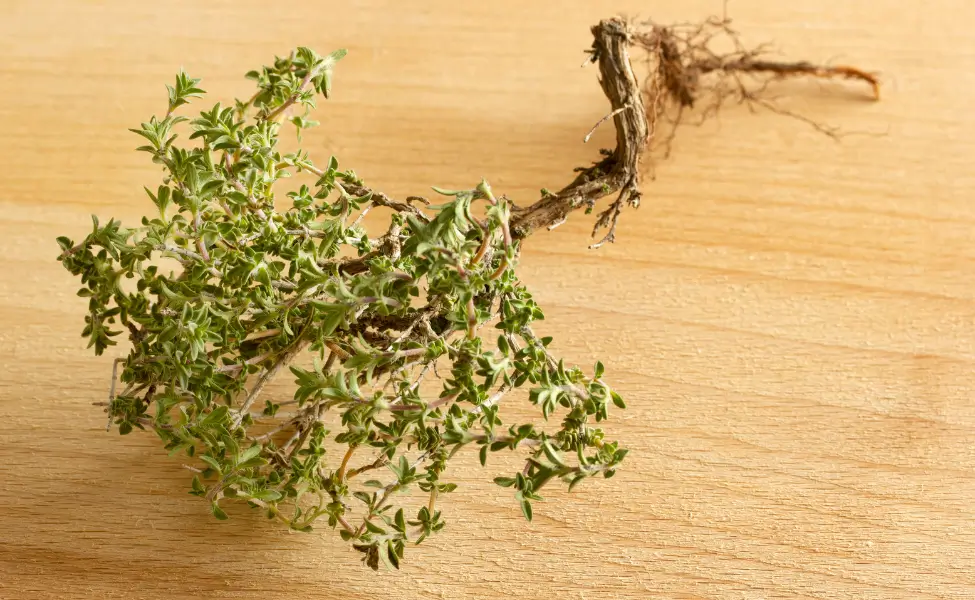
Water sparingly. Let the soil dry out between waterings, especially during winter. Soft, overwatered thyme becomes leggy and loses flavor. If you garden indoors, place thyme near a bright window and rotate the pot every few days so the plant receives even light.
There are many varieties of thyme, but common thyme and lemon thyme suit most cooks. Both have firm stems and small leaves that pack more flavor than you expect. You can harvest thyme at any time of year in Zones 9 and 10.
The flavor deepens in cooler months, and the leaves stay usable even when other herbs begin to fade.
Use thyme in roasts, marinades, salad dressings, and vegetables. Strip the leaves from the stems by pulling them backward. If stems are soft and green, you can chop them alongside the leaves.
Thyme flowers in spring and early summer. Bees love these small blossoms, so if you want to attract pollinators, allow a few stems to bloom. After flowering, trim the plant lightly to encourage fresh growth.
Oregano: A Hardy Perennial That Expands Over Time
Oregano is one of the easiest perennial herbs for warm climates. It returns every year, and older plants develop a richer, more pronounced flavor.
In Zones 9 and 10, oregano rarely goes fully dormant. It may slow down in winter, but it continues offering usable leaves through much of the year.
Choose a container at least ten inches wide or dedicate a corner of a bed for oregano. The plant spreads naturally and forms a low mound of stems. If you give it a bit of room, it will grow into a thick, leafy patch that supplies regular harvests from spring through fall.
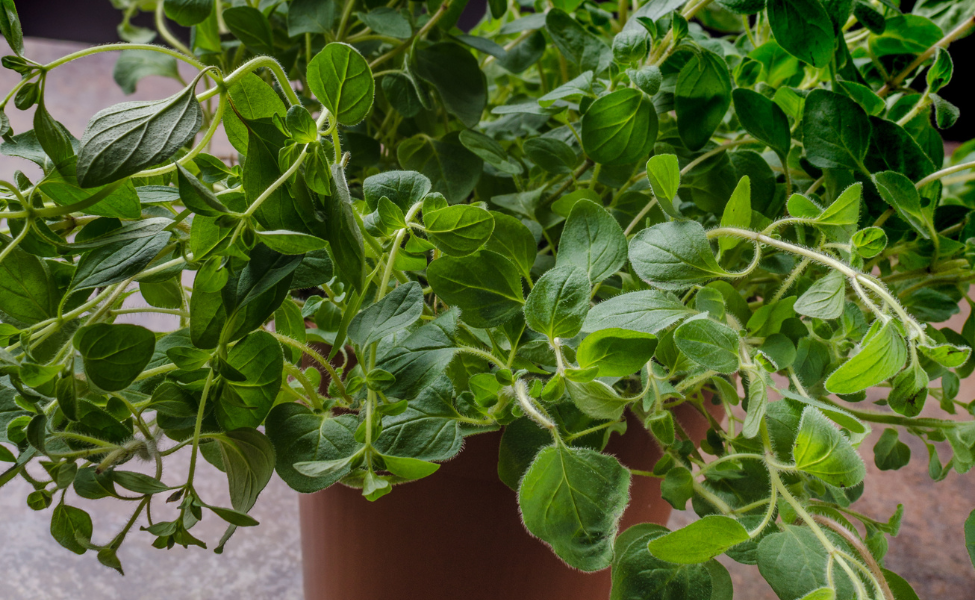
Oregano enjoys full sun and lean soil. If you fertilize too heavily, the flavor becomes mild and the plant grows too quickly.
A single dressing of compost in spring is enough. Water only when the top layer of soil dries out. Oregano dislikes soggy roots and grows best in soil that drains well.
Harvest the stems in the morning when the aroma is strongest. Cut just above a pair of leaves to encourage branching. If the plant becomes leggy, shear it back by one third during the growing season. This creates fresh, tender growth that tastes stronger than older woody stems.
Use oregano in tomato sauces, soups, roasted vegetables, and pizza. Because the flavor becomes stronger as the plant matures, adjust your recipes each year.
In Zones 9 and 10, oregano often flowers later in the season. The pale blossoms attract bees and butterflies. After flowering, prune the plant lightly to redirect its energy toward leaf production.
Lavender: Color, Fragrance, and Pollinators Beyond Summer
Lavender brings visual appeal, fragrance, and steady growth to warm-climate gardens. The flowers last well into fall, and the stems keep their structure long after the blooms fade. In Zones 9 and 10, lavender often behaves more like a small ornamental shrub than a delicate herb.
Choose a spot with full sun and good drainage. Lavender roots hate sitting in wet soil. If you garden in containers, select a pot at least twelve inches wide with large drainage holes. Use a gritty mix with sand or perlite to keep water moving through the soil.
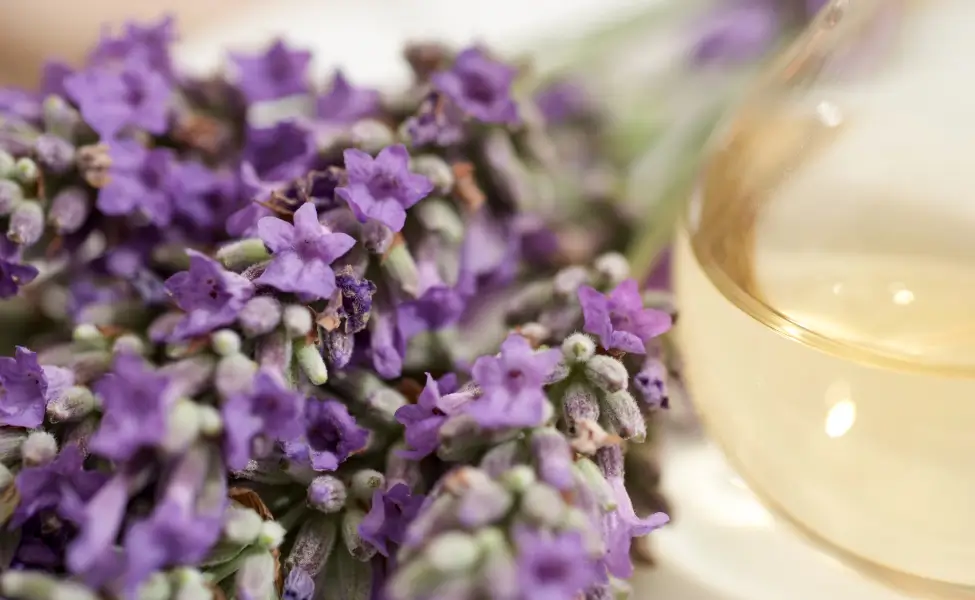
Lavender tolerates heat well, but the roots prefer cooler soil. If your container heats up on bright afternoons, wrap it in a light fabric or place it where it receives morning sun and afternoon shade.
Water deeply but infrequently. Let the soil become almost dry before watering again.
Prune lavender once or twice each year. In early spring, remove dead tips and shape the plant lightly. After the main flowering flush, trim again to maintain a neat mound.
Avoid cutting into thick, woody stems because they do not regrow easily.
The flowers can be used fresh, dried, or added to homemade sachets. Hang bunches upside down in a dry place and wait until the stems snap cleanly.
If you grow lavender for scent notes in cooking, choose English varieties, which tend to have a softer flavor than other types.
Pollinators love lavender well into fall. Bees visit the blooms on warm October days, especially in Zone 10. The scent carries even when the flowers fade, and brushing past the plant releases that familiar aroma from the leaves.
Chives: Reliable Spring Return and Fresh Growth Through Fall
Chives are one of the most dependable perennial herbs for warm climates.
They die back when winter settles in, but as soon as spring arrives, new shoots push through the soil with energy. In Zones 9 and 10, chives return early and grow steadily through spring, summer, and fall.
Plant chives in a container at least eight inches deep or place them in a raised bed. The roots form small clumps that expand each season.
Divide these clumps every couple of years to keep the plants vigorous. If you garden on a patio, dividing also prevents overcrowding in containers.
Chives tolerate a range of soil types but perform best in soil that drains well and receives regular moisture. Water whenever the top inch of soil feels dry.
During midsummer heat, container chives may need more frequent watering, but avoid soaking the soil.
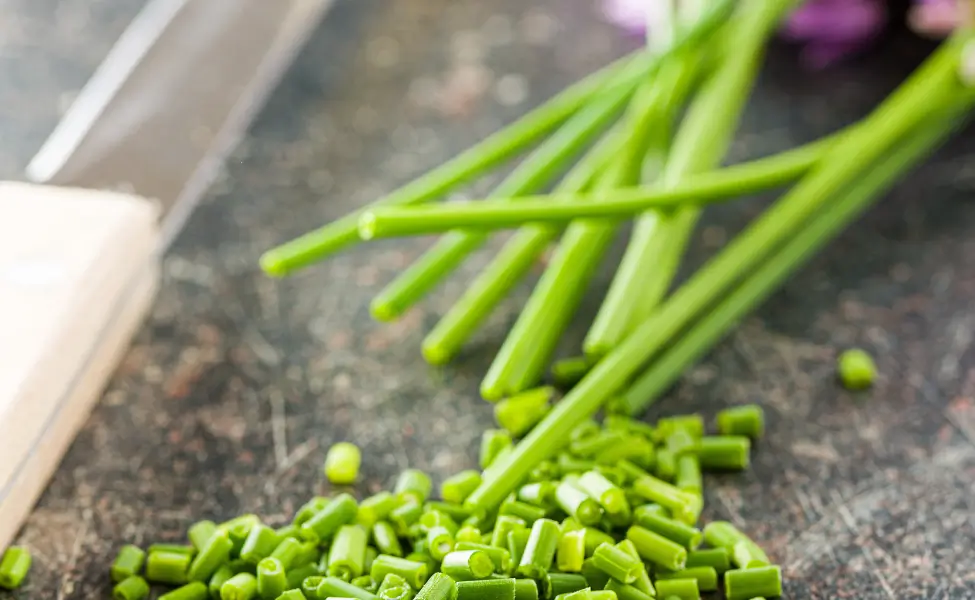
The leaves have a mild onion flavor and can be harvested as soon as they reach six inches tall. Use sharp scissors to cut the leaves about an inch above the soil. They grow back quickly, making chives one of the most generous herbs for small gardens.
Chives produce attractive purple flower heads in late spring. These blooms draw bees and other helpful insects. You can eat the flowers as well.
They add a mild onion flavor to salads and spreads. If you want to focus on leaf production, remove the flower heads once they appear.
Mulch lightly around outdoor chives in late fall to protect the bulbs. In Zones 9 and 10, they rarely suffer winter damage, but a thin layer of mulch helps them return even stronger.