
I used to toss everything into my trolley without thinking.
Tomato sauce, salad dressing, bread, pancake mix. The convenience felt worth it until I sat down one day and added up how much I was spending on things made mostly from ingredients already sitting in my own kitchen.
Then I looked at the labels and realised half the bottles were full of preservatives, sugar, or oils I did not want.
Making your own pantry staples can feel intimidating at first, but once you try even one or two, you realise most of them take less time than standing in the queue at the store.
You control the taste, spend less money, and end up with food that feels fresher and more honest.
Below are the eight staples I now make at home. Every one of them started as an experiment, and every one stayed because the results beat the store bought versions without fail.
1. Homemade Tomato Sauce
Tomato sauce used to be something I bought automatically. Then one day I tried making it at home. Thirty minutes later I had a sauce that put every jar in my cupboard to shame.
All you need are canned tomatoes, garlic, onion, olive oil, and a few herbs. I usually reach for basil and oregano, but you can adjust depending on what you like.
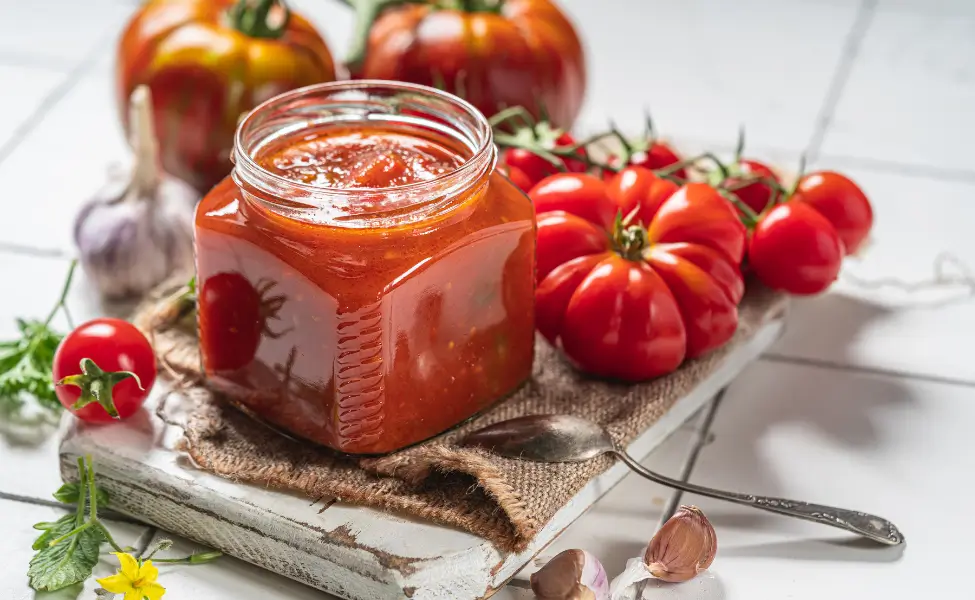
I heat olive oil in a pan and cook the chopped onion and garlic until they soften and smell wonderful. Then I add the tomatoes, crush them slightly with a spoon, and let everything simmer for about twenty to thirty minutes. The sauce thickens naturally, and all the flavours come together without effort.
You can season it to taste, cook it longer if you want it thick, or splash in a bit of water if you like it smoother. It keeps in the fridge for a week or in the freezer for months.
I freeze mine in portions so I always have some ready for pasta, pizza, or a quick stew.
A good jar of tomato sauce costs around four to six dollars. Making a batch at home usually costs two dollars or less. And the taste is in a completely different league.
2. Freshly Baked Bread
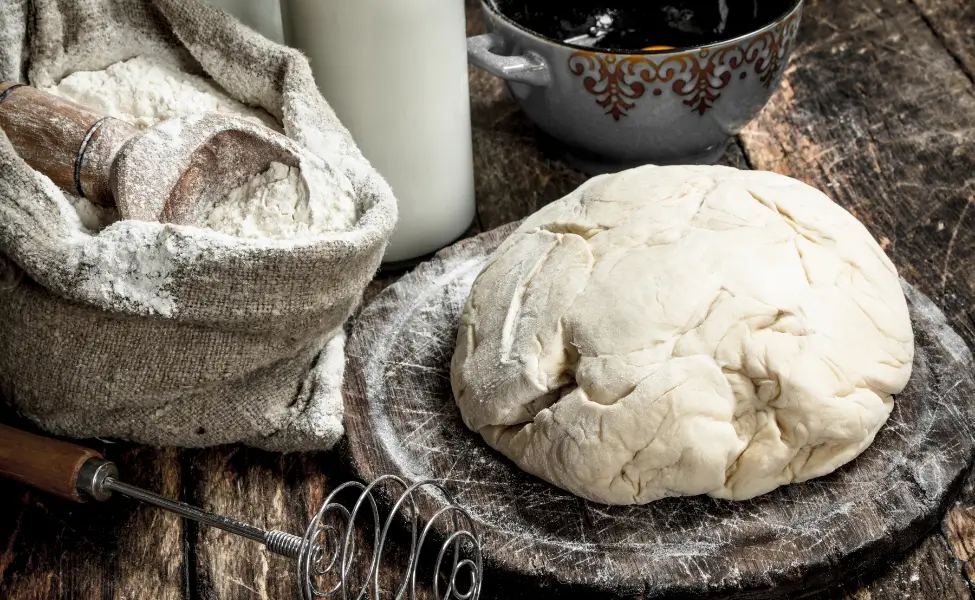
Bread was one of the first staples I stopped buying. Store loaves often contain preservatives, dough conditioners, and stabilisers. A decent quality loaf costs five to seven dollars in many places. But you can make a beautiful loaf at home for one to two dollars using flour, water, yeast, salt, and a bit of sugar or oil.
A simple loaf takes around three hours start to finish, but most of that time is hands off. You mix, knead, let it rise, shape it, then bake it. The smell alone makes it worthwhile.
Once you learn the basic dough, you can branch out into wholemeal versions, crusty artisan styles, sandwich loaves, or soft rolls. The ingredients barely change, and you get bread that tastes fresher and stays soft longer than many shop bought brands.
Homemade bread was the one that showed me how much money I was wasting on convenience. It felt like a small win that kept repeating each week.
3. Classic Chicken Broth
I used to toss chicken bones into the bin without a second thought. Now I save every carcass. Homemade broth tastes richer, smoother, and cleaner than store bought cartons, and it costs almost nothing if you use scraps.
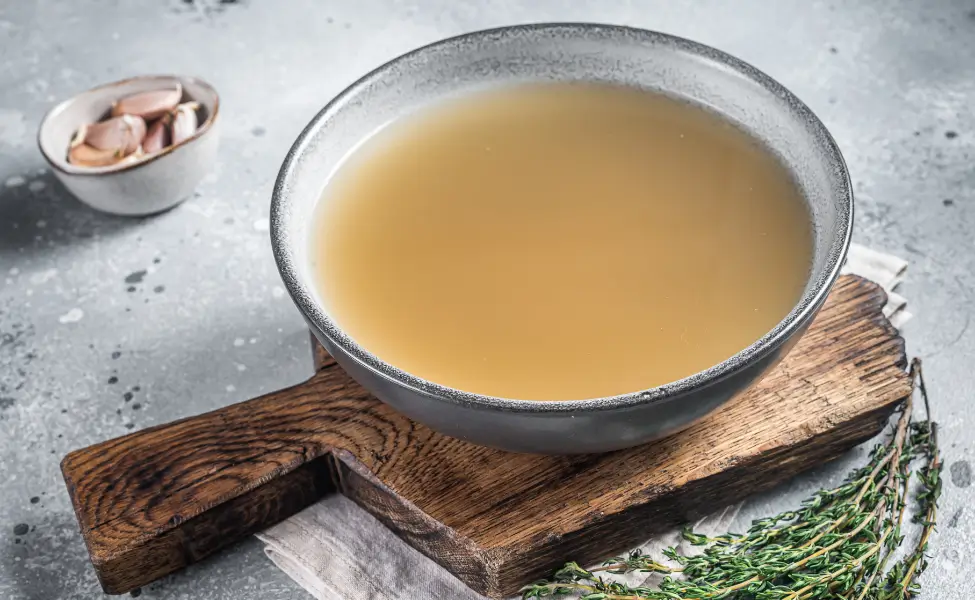
A carton of broth runs around four dollars and can be bland or overly salty. When you make your own, you just place the bones in a pot with onion scraps, carrot tops, celery leaves, salt, and herbs. Cover with water and simmer for two to three hours. You barely need to touch it while it cooks.
The broth thickens slightly, takes on a golden colour, and becomes packed with flavour. You can freeze it in containers or ice cube trays for easy access. I use it for soups, sauces, rice, stews, and gravy.
It reduces waste, saves money, and gives meals a depth you cannot buy.
4. Crunchy Garlic Croutons
Croutons were something I bought out of habit. Then I realised I could make them at home with bread that was on the edge of going stale.
Just cut the bread into cubes, melt some butter, add garlic and herbs, and toss everything together. Spread the cubes on a baking sheet and bake at 375°F for fifteen to twenty minutes until crisp and golden.
The result is fresher, crunchier, and far tastier than anything in a bag. Store bought croutons can taste stale the moment you open them. Homemade ones keep for a week in an airtight container and turn sad bread into something genuinely delicious.
They are brilliant for salads, soups, or even just grabbing by the handful.
5. Simple Pancake Mix
The first time I made my own pancake mix, I realised I had been paying premium prices for flour, sugar, baking powder, and salt. Boxed mixes are convenient, but homemade is just as quick and far cheaper.
Mix the dry ingredients together and store them in a jar. When you want pancakes, scoop out the amount you need and add water or milk. It stays fresh for months and does not require any preservatives.
You can use it for pancakes or waffles and add extras like cinnamon, vanilla, or wholemeal flour. A store bought mix can cost five to eight dollars. Making the same amount at home usually costs one or two dollars.
And the best part? You can customize the sweetness and thickness exactly how you like
6. Natural Peanut Butter
I had no idea peanut butter could be this easy. You need only roasted peanuts and a food processor. Blend for a few minutes until smooth, scrape the sides if needed, and add a little salt or honey if you like.
That is it.
Homemade peanut butter contains no oils, sugars, or thickeners. It is pure peanuts and tastes surprisingly fresh. Store it in the fridge for up to three months and stir if it separates.
A jar of natural peanut butter costs six to eight dollars. Making the same amount at home usually costs two to three dollars depending on peanut prices. The savings are significant and the taste is far better.
7. Sweet Berry Jam
Jam was one of those things I assumed required special equipment. It does not. You only need berries, sugar, and lemon juice.
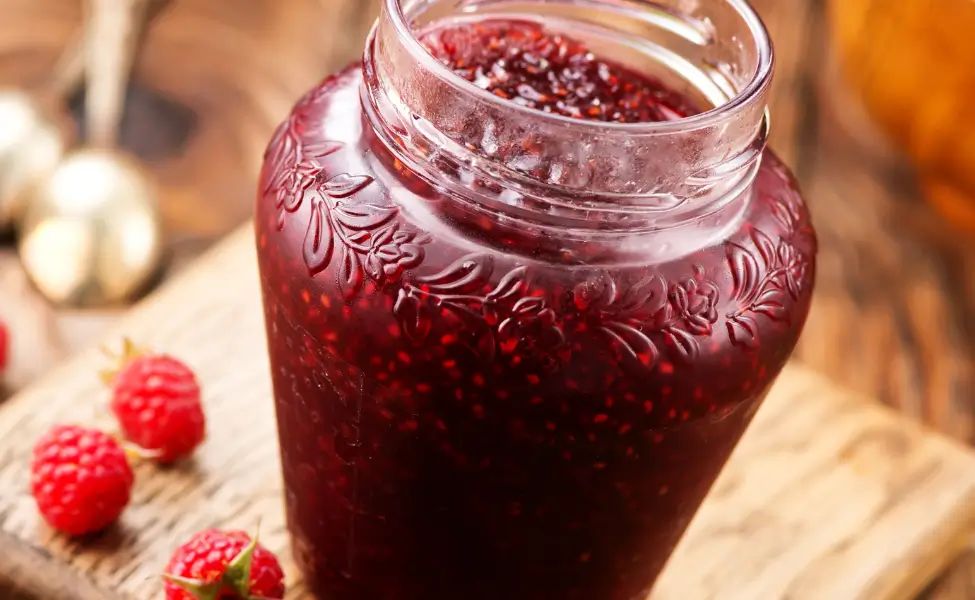
Cook equal parts berries and sugar together for twenty to thirty minutes until thick. Add a splash of lemon juice to help it set and brighten the flavour. Use fresh or frozen berries, or mix different ones for interesting combinations.
Homemade jam keeps in the fridge for weeks and freezes well. Store bought jam costs four to six dollars a jar and often contains added pectin or preservatives. Making it at home usually costs one to two dollars.
It is wonderful on toast, in pastries, stirred into yoghurt, or eaten by the spoonful when no one is watching.
8. Vanilla Extract
Vanilla extract is one of the most expensive baking staples. A small bottle of real vanilla can cost fifteen to twenty dollars. You can make the same amount for three to five dollars.
Split vanilla beans and place them in a jar. Cover with vodka or another mild alcohol. Seal it and let it sit for several weeks. The flavour deepens over time and keeps improving for months.
You can keep topping off the jar with more alcohol as you use it. Homemade extract lasts for years and tastes far better than most supermarket brands.
Different beans offer different flavours, so you can experiment with Madagascar, Mexican, or Tahitian varieties.
Benefits of Making Pantry Staples at Home
Cost savings
Grocery bills drop quickly when you start making even a few of these at home.
Here are real comparisons:
- Bread costs one to two dollars homemade versus five to seven dollars shop bought
- Salad dressing costs about one dollar to make, compared to four to seven dollars
- Peanut butter costs two to three dollars homemade versus six to eight dollars
- Vanilla extract costs three to five dollars homemade versus fifteen to twenty dollars
- Jam costs one to two dollars homemade versus four to six dollars
Small savings become large savings when you repeat them every week.
Better freshness and flavour
Homemade food tastes brighter and more vibrant because it is fresh. You use quality ingredients, adjust flavours, and skip preservatives.
Bread stays soft longer. Dressings taste cleaner. Spices and herbs stay more potent when you blend them yourself. And nothing has that processed aftertaste.
Total control over ingredients
You decide what goes in. You avoid preservatives, excess sugar, cheap oils, and artificial flavours. This is especially helpful for allergies, special diets, or reducing sodium.
You can turn any recipe into a healthier version simply by choosing your own ingredients.
Tips for Storing Homemade Pantry Staples
Proper containers
Glass jars work best because they do not hold onto odours or stains. Mason jars, clip top jars, and airtight containers all work well. Metal containers are excellent for spice blends because they block light.
For liquids like vanilla extract or flavoured oils, use dark glass bottles to protect the contents from light.
Avoid containers that previously held strong smelling items, or they may pass unwanted flavours to your homemade food.
Shelf life and labelling
Label everything with the name and date. Use a permanent marker or waterproof labels. It helps you track freshness and avoid waste.
Dry mixes usually last six to twelve months if stored correctly. Anything with oil or dairy should be refrigerated. Spice blends last about a year, though it is worth checking periodically for flavour loss.
If something smells odd, looks cloudy, or shows any sign of mold, throw it out.
Keeping a simple list of what you have prevents you from forgetting jars in the back of the cupboard.