
I’ve stared into my crisper drawer too many times, watching expensive bunches of herbs turn to mush. That slimy cilantro bag. The blackened basil. The parsley that somehow liquefied overnight. If you’ve been there too, I get it.
Here’s what I’ve learned after years of trial and error.
You don’t need fancy equipment to make herbs last.
These six methods use things you already own, and they actually work.
I use different ones depending on what I’m cooking that week and how much time I have.
1) Air Drying Herbs in Small Bunches
This is my laziest method, and that’s exactly why I love it. If you can tie a knot, you can air dry herbs.
I pick herbs mid-morning after the dew’s gone but before it gets blazing hot. Look for stems without brown spots or damage. Give them a quick rinse, pat dry, and pull off any sad-looking leaves.
Here’s the trick: keep your bunches small. Four to six stems max. I learned this the hard way after finding a moldy mess in the middle of a giant rosemary bundle. Small bunches dry faster and more evenly.
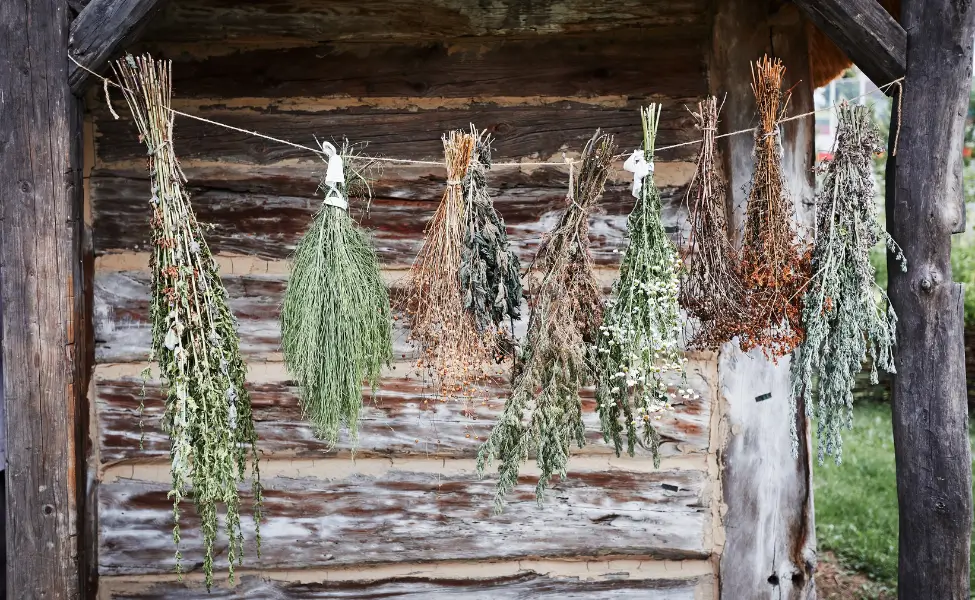
Tie them tight with kitchen string or a rubber band. The stems shrink as they dry, so if your tie is loose, they’ll slip right out.
Hang them upside down somewhere warm and dry with good airflow. I use an empty closet, but attics and pantries work great. Keep them out of direct sun though, or they’ll lose their color and flavor.
This method works brilliantly for woody herbs like rosemary, thyme, sage, and oregano. Their sturdy structure means they won’t rot while hanging. Drying takes one to three weeks depending on your climate. You’ll know they’re ready when the leaves crumble between your fingers.
I store mine in glass jars away from light and heat. They’ve lasted up to three years this way without losing much punch.
2) Freezing Herbs in Ice Cube Trays with Olive Oil
This is the method I reach for when I’ve bought way too much basil at the farmers market. The frozen cubes go straight from freezer to pan, which means no thawing, no planning ahead, just flavor.
Rinse your herbs and shake off the water. Strip any damaged bits and thick stems that won’t blend smoothly. Chop them fine.
Fill each ice cube slot about two-thirds with herbs, then pour olive oil over the top until they’re covered. I use regular olive oil because it’s cheaper, but extra virgin oil works too if you’re feeling fancy.
Press down gently to get rid of air bubbles. You want the oil covering everything to prevent freezer burn.
Pop the tray in the freezer overnight. Once solid, transfer the cubes to freezer bags and label them. Trust me on the labels. Future you will have no idea if that’s oregano or thyme.
These cubes stay good for six to nine months. I drop them frozen into whatever I’m cooking. Each cube equals about one to two teaspoons of fresh herbs plus a bit of cooking oil.
3) Refrigerating Herbs Wrapped in Damp Paper Towels
Whenever I buy rosemary or thyme and know I’ll use them within a few weeks, this is my method. It’s simple and keeps woody herbs fresh for two to three weeks.
Dampen a paper towel and wring it out until it’s just barely moist. Too wet and your herbs get slimy. Lay your herbs on the towel and wrap loosely, making sure all the leaves touch the damp paper.
Tuck the bundle into a plastic bag or container and store it in your crisper drawer. The slight moisture keeps herbs from drying out without making them soggy.
Check every few days. If the towel feels dry, give it another light damping and rewrap.
This also works for tender herbs like parsley and cilantro, though you have to be gentler with their delicate leaves.
4) Storing Herbs Upright in a Glass of Water
I treat most of my herbs like cut flowers, and honestly, this might be the method that’s saved me the most money.
Trim the bottom half-inch of the stems at an angle. This opens up more surface area for water absorption. Fill a jar with about an inch of water and stand your herbs upright with stems submerged.
Pull off any leaves that would sit underwater. Those rot fast and make everything cloudy and gross.
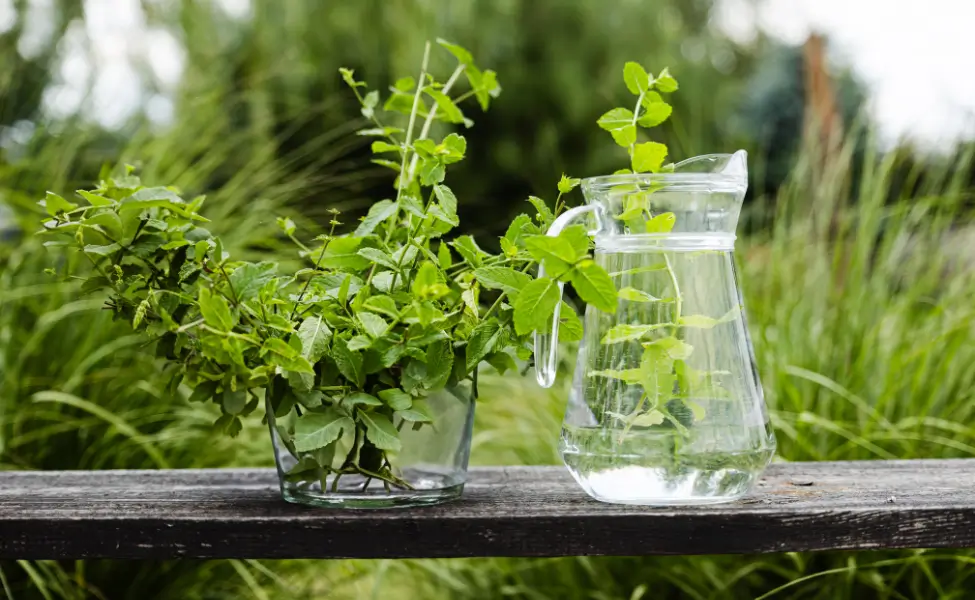
Loosely tent a plastic bag over the top to create a humid little greenhouse, then stick the whole thing in your fridge. Change the water every two to three days.
Here’s the exception: basil hates the cold. It’ll turn black in the fridge. Keep basil on your counter at room temperature instead, away from direct sun.
Stored this way, parsley, cilantro, mint, oregano, dill, and sage stay crisp and aromatic for one to three weeks. I just snip what I need and leave the rest growing.
5) Quick Blanching and Freezing
If you’ve got delicate herbs like basil or cilantro and want to freeze them without losing that bright green color, blanching is your friend. It takes an extra minute, but the results are worth it.
Bring a pot of water to a rolling boil. Have a bowl of ice water ready next to the stove.
Drop your clean herbs into the boiling water for exactly 10 to 15 seconds. Use tongs to transfer them immediately to the ice bath. This stops the cooking instantly and locks in the color.
Let them chill for 30 seconds, then pat them completely dry. Extra moisture means ice crystals, which means mushy herbs.
Chop them up, pack into ice cube trays, and add just enough water or olive oil to cover. Freeze solid, pop out the cubes, and store in labeled bags.
These work beautifully in soups, stews, sauces, and stir-fries. Just toss them in frozen.
6) Making Herb-Infused Vinegar
I started doing this because herb vinegar makes a gorgeous gift, but now I keep it around because it’s genuinely useful. It adds depth to salad dressings and marinades without any extra work.
Fill a clean jar halfway with fresh herbs. I love basil, thyme, rosemary, tarragon, or combinations. Chop bigger herbs smaller to release more flavor.
Warm some vinegar until it’s hot but not boiling. White vinegar or apple cider vinegar both work. Pour it over the herbs until the jar is full.
Make sure everything stays submerged, or the exposed bits might mold. Close the jar tight and stash it somewhere cool and dark.
Shake it every few days. After two to four weeks, strain out the herbs and pour the vinegar into a clean bottle. It keeps for months.
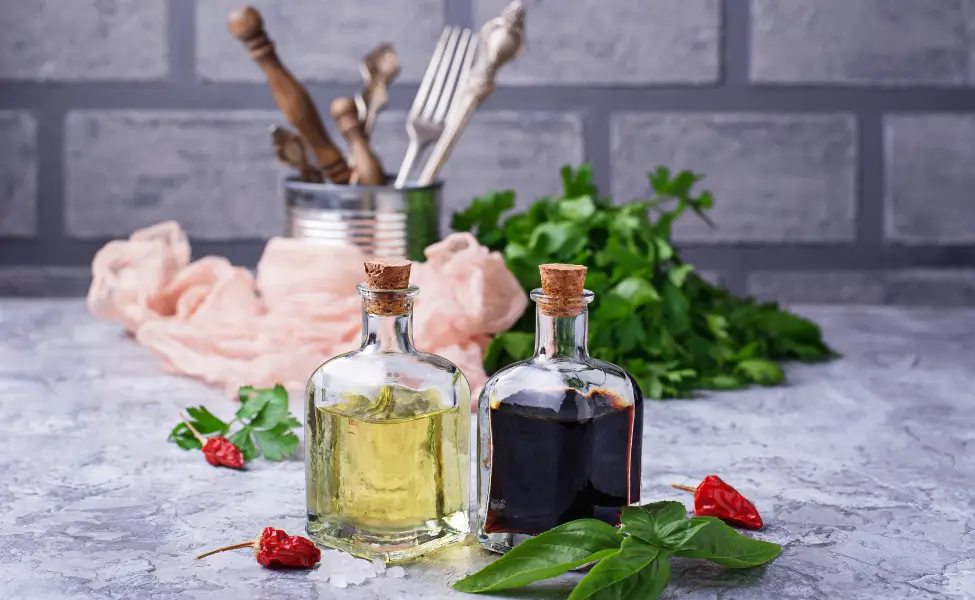
Use it in dressings, splash it on roasted vegetables, or drizzle it over grilled fish. It’s also one of those gifts that makes you look like you have your life together.
What I’ve Learned About Keeping Herbs Fresh
The biggest lesson? Moisture is your enemy until it’s your friend. Too much makes herbs rot. Too little makes them wilt. Finding that balance took me a while.
Here’s what actually matters: never wash herbs before storing them unless you’re about to use them immediately. Water speeds up decay. Only rinse right before cooking.
Don’t store different herbs together. They have different needs. Mint and basil in the same bag is asking for trouble.
Check your stash every few days and pull off anything that looks questionable. One bad leaf spreads fast.
And here’s something that surprised me: where you store herbs matters as much as how. Room temperature works for basil.
The fridge works for almost everything else. The freezer works when you’re willing to sacrifice texture for flavor.
The Methods I Actually Use
In my kitchen, I keep a rotation going. Herbs I know I’ll use this week go upright in water in the fridge. Woody herbs I bought for a specific recipe get wrapped in damp towels.
When I’ve gone overboard at the farmers market and have more than I can possibly use fresh, I make ice cube batches for the freezer.
Air drying happens in late summer when my garden is exploding and I need to preserve bulk quantities without thinking about it too much.
These habits have saved me so much waste, and honestly, so much money.
Fresh herbs aren’t cheap, and throwing them away feels terrible. Now I use what I have, when I want to, without that guilty feeling of watching them rot.
Storage Quick Reference
Basil – Stems in water, room temperature, 1 week
Cilantro/Parsley – Stems in water, fridge, 1-3 weeks
Rosemary/Thyme – Damp towel, fridge, 2-3 weeks
Frozen in oil – Labeled freezer bags, 6-9 months
Dried herbs – Glass jars, cool and dark, 1-3 years
Pick the method that fits your cooking style.
If you make a lot of soups, freeze herbs in oil.
If you use fresh herbs constantly, stick with the water glass method.
And if you’re preserving a big harvest, air dry in batches.
What matters most isn’t perfection. It’s finding a system that actually works for how you cook and how much time you have. Start with one method and see what happens.
You’ll figure out pretty quickly which one becomes your go-to.