
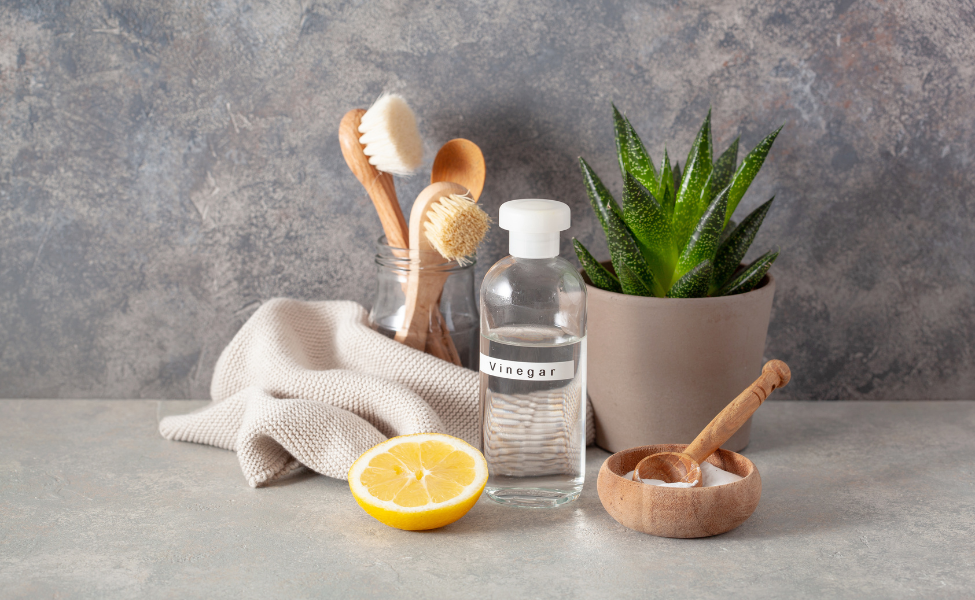
If you are hoping to switch to natural cleaning, then these common ingredients in your pantry can replace most store-bought cleaners.
White vinegar, baking soda, and lemon juice handle everything from kitchen counters to bathroom tiles.
These options cost less and skip harsh chemicals.
You probably already have these items in your kitchen.
Why Switch to Natural Cleaning
Natural cleaning offers three main benefits: lower costs, less chemical exposure, and less waste.
Cost Savings
Baking soda costs about one dollar per box. It lasts for dozens of cleaning sessions. White vinegar costs around three dollars per gallon.
Compare this to spending three to five dollars for each commercial cleaner. The savings add up quickly.
Safety for Your Home
Commercial cleaners often release VOCs into indoor air. These can cause breathing problems, headaches, and skin reactions. Natural ingredients produce fewer fumes.
They also present lower risks if children or pets encounter them.
Less Environmental Impact
Vinegar, baking soda, and lemon juice break down safely in water. You also cut plastic waste by reusing spray bottles. Making only what you need means less packaging overall.
The 3 Core Ingredients
Each ingredient works best for specific tasks.
White Vinegar
Vinegar contains about 5% acetic acid.
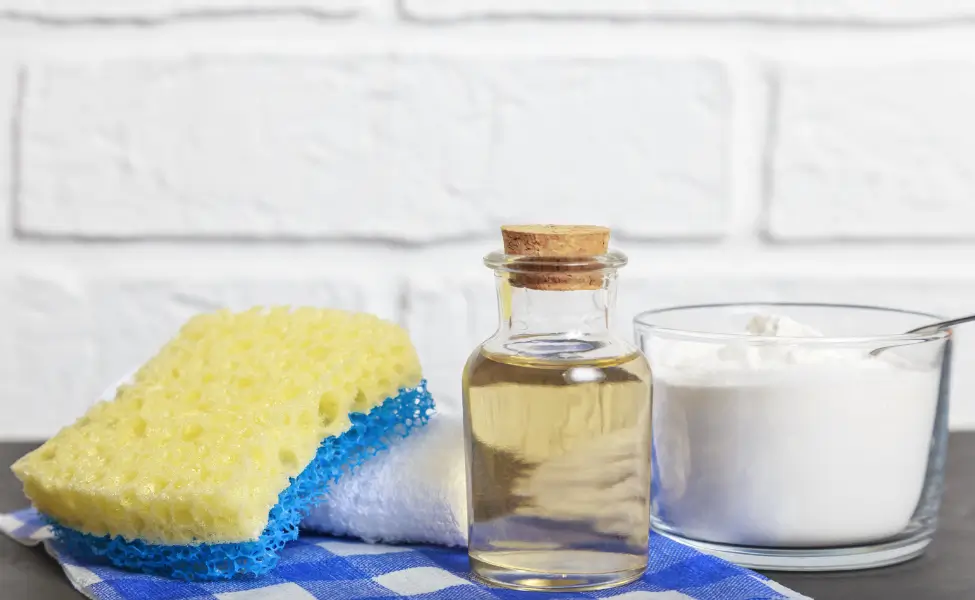
This dissolves mineral deposits, soap scum, and some bacteria. It cleans glass and removes hard water stains.
Best for:
- Windows and mirrors
- Coffee makers and kettles
- Shower doors and faucets
- Sealed floors
Avoid on:
- Natural stone like marble or granite
- Hardwood floors unless sealed
- Cast iron
Important: Vinegar reduces bacteria but is not an EPA-registered disinfectant. For sanitizing cutting boards or surfaces after raw meat, use diluted bleach or approved products.
Baking Soda
Baking soda is sodium bicarbonate. It works as a mild scrubber and absorbs odors. It cleans without scratching most surfaces.
Best for:
- Scrubbing sinks and tubs
- Removing odors from carpets
- Cleaning ovens and stovetops
- Removing stains from grout
Avoid on:
- Aluminum (can discolor)
- Antique or delicate surfaces
Lemon Juice
Fresh lemon juice contains 5 to 6% citric acid. This cuts through grease and leaves a fresh scent. The oils in lemon peel boost cleaning power.
Best for:
- Cutting boards (removes odors)
- Stainless steel (adds shine)
- Copper and brass (light tarnish)
- Microwaves (steam cleaning)
Avoid on:
- Natural stone surfaces
- Unsealed wood
Important: Like vinegar, lemon juice helps reduce bacteria. It does not fully sanitize food prep surfaces.
Quick Reference
| Ingredient | Primary Use | Cost | Avoid On |
| White Vinegar | Mineral buildup, glass, soap scum | $0.10 per use | Stone, hardwood |
| Baking Soda | Scrubbing, deodorizing | $0.05 per use | Aluminum |
| Lemon Juice | Grease, odors, shine | $0.25 per use | Stone, unsealed wood |
Basic Recipes
All-Purpose Spray
Mix in a spray bottle:
- 2 cups water
- 1/4 cup white vinegar
- 1/2 teaspoon dish soap (optional)
Use on kitchen counters, bathroom surfaces, and appliances. Test on a hidden spot first. Skip the dish soap for glass.
Glass Cleaner
Mix in a spray bottle:
- 2 cups water
- 1/4 cup white vinegar
Use microfiber cloths instead of paper towels. This prevents lint. Clean in shade when possible. Direct sun causes streaks.
Carpet Deodorizer
Mix in a jar:
- 1 cup baking soda
- 1/2 cup cornstarch
- 5 to 10 drops essential oil (optional)
Sprinkle on carpets. Wait 30 minutes. Then vacuum. For strong odors, leave for several hours.
Bathroom Scrub
Make a paste:
- 3 parts baking soda
- 1 part water
Apply to sinks, tubs, or tile. Wait 5 to 10 minutes. Scrub with a soft brush. Rinse well.
For soap scum: Spray vinegar first. Wait 5 minutes. Then apply baking soda paste. The fizzing helps lift buildup. Do not store vinegar and baking soda mixed. They cancel each other out.
Optional Additions
Essential Oils
Tea tree, lemon, and lavender oils add antibacterial properties and scent. Add 10 to 15 drops per cup of cleaner.
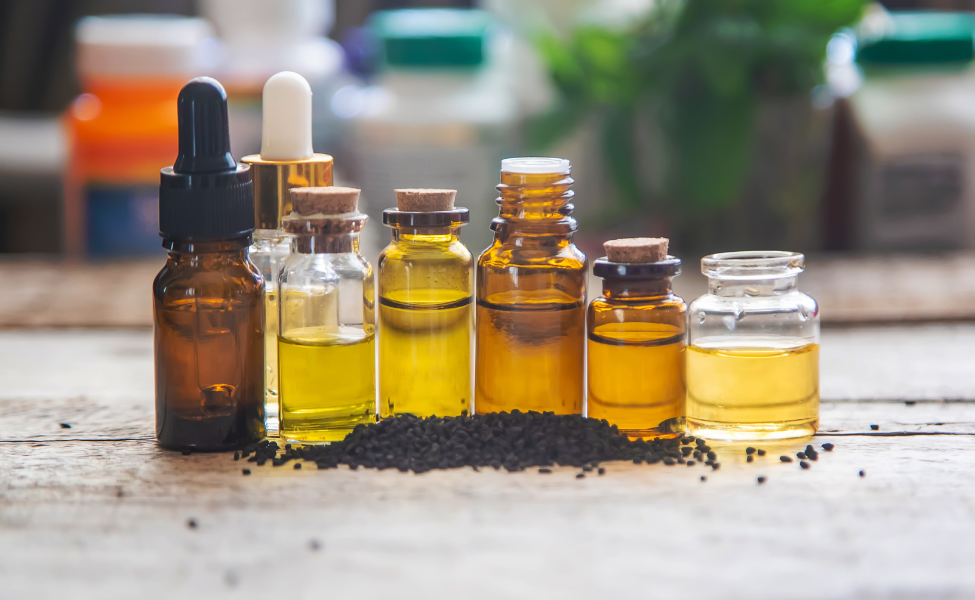
Caution: Some oils are toxic to pets. Avoid tea tree and eucalyptus around cats. Always check pet safety first.
Castile Soap
This plant-based soap works well on surfaces that vinegar might damage. This includes wood furniture and natural stone. Mix 1 teaspoon with 2 cups of warm water.
Do not mix castile soap and vinegar. The acid cancels the soap’s cleaning action.
Hydrogen Peroxide
The 3% solution from pharmacies helps with tough stains. It kills many bacteria and viruses on contact.
Spray on cutting boards or grout. Wait 5 to 10 minutes. Then wipe or scrub clean.
Important: Hydrogen peroxide breaks down in light. Keep it in the original dark bottle. It can bleach colored fabrics. Test first.
What Natural Cleaners Cannot Do
Natural cleaners handle most tasks but have limits:
They need more scrubbing. Without harsh solvents, you might need more physical effort for tough buildup.
They are not EPA-approved disinfectants. Vinegar and lemon reduce bacteria. They do not meet EPA standards for full disinfection. Use bleach solutions or approved products after handling raw meat.
They work slower on heavy grease. Commercial degreasers act faster. Natural options may need several applications.
Surface limits matter. Always test on hidden spots first. Natural does not mean safe for all surfaces.
Storage Tips
Store homemade cleaners in labeled spray bottles. Most solutions last 2 to 4 weeks at room temperature. Throw out any that develop odors or cloudiness.
Keep all cleaning solutions away from children and pets. Even natural ones.
Avoid mixing chemicals beyond these recipes. Unexpected reactions can occur.
Environmental Benefits
Reusing spray bottles cuts plastic waste. Making cleaners as needed means less packaging than buying many commercial products.
Natural ingredients break down quickly in water treatment systems. You avoid adding persistent chemicals to waterways.
When Commercial Products Work Better
Some situations need stronger cleaners:
- After illness (use EPA-approved disinfectants)
- Mold problems (may need special treatments)
- Heavy mineral buildup (may need stronger acids)
- Pest issues (often need specific pesticides)
Natural cleaning works well for regular upkeep. Know when to use commercial products.
Getting Started
Start with one or two recipes that fit your needs.
Most people begin with the all-purpose spray and glass cleaner.
Buy a few spray bottles. Label them clearly. Make small batches. This lets you adjust ratios for your surfaces.
Keep some commercial cleaners on hand. The goal is reducing chemical use where practical. Not eliminating all conventional products.
Natural cleaning works best as regular maintenance.
Not for neglected or heavily soiled areas. Light, consistent cleaning prevents buildup that needs harsh chemicals.